
 EN
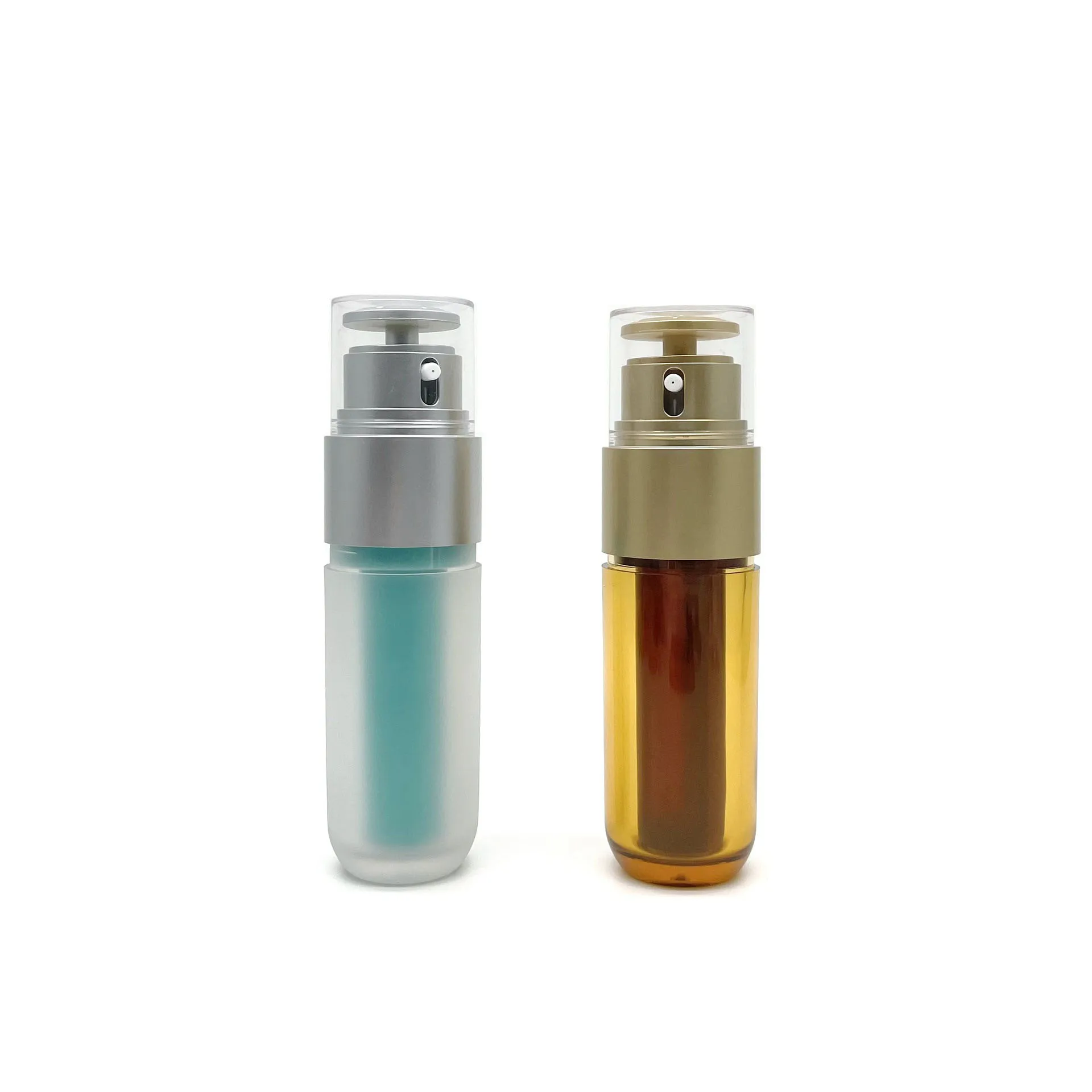
Selecting the right plastic bottle shape for your product line is a critical decision that can impact functionality, aesthetics, and cost. Understanding the various options and their implications can help B2B buyers make informed purchasing decisions. This article will guide purchasing managers, distributors, and product managers through the important aspects of selecting the ideal plastic bottle shape by addressing key specifications, cost factors, applications, and installation guidance.
How to Choose the Right Plastic Bottle Shape for Your Product
When choosing the right plastic bottle shape, consider the specific requirements of your product, including the intended use, target market, and branding. The shape of a bottle not only influences its aesthetic appeal but also its functionality in terms of storage, transport, and dispensing. For instance, a wider opening may be beneficial for thicker liquids or solid products, while a slender design might be more appealing for cosmetic applications.
Additionally, the choice of bottle shape can affect the manufacturing process. Certain shapes may require specialized molds or more complex blow-molding techniques, which can impact lead times and costs. Engage with your supplier early in the design process to ensure that the chosen bottle shape aligns with manufacturing capabilities and quality standards.
Evaluating Plastic Bottle Specifications for Wholesale Buyers
When sourcing plastic bottle, buyers should focus on key specifications that will affect their product's performance and marketability. These include:
Material Type: Different materials such as PET, PE, or PLA offer varying levels of clarity, durability, and barrier properties. For example, PET bottles are commonly used for beverages due to their strength and recyclable, while PLA is an eco-friendly option suitable for organic products.
Dimensions: The height, width, and volume of the bottle should be tailored to the product's requirements. Make sure to provide detailed product specifications when requesting quotes to ensure accuracy in production.
Closure Compatibility: Ensure that the bottle shape is compatible with the intended closure type. This is crucial for maintaining product integrity and preventing leaks.
Custom Features: Consider whether you need added features like handles, pour spouts, or tamper-evident seals, as these can impact the design and manufacturing process.
By carefully evaluating these specifications, buyers can avoid common pitfalls such as selecting a bottle that does not fit their existing packaging lines or fails to meet regulatory requirements.
Cost Factors to Consider When Sourcing Plastic Bottle Shapes
Pricing is a significant aspect of sourcing plastic bottles, and several factors can influence overall costs:
Material Costs: The choice of material directly affects the price. For instance, biodegradable materials like PLA may be more expensive than traditional plastics due to their production processes.
Production Complexity: More intricate bottle shapes may require specialized molds, leading to higher upfront costs and longer production times. Simpler designs may yield lower unit prices but should still meet functional needs.
Minimum Order Quantities (MOQ): Suppliers often have MOQs that can impact pricing. Ordering larger quantities may reduce the per-unit cost but requires careful forecasting of demand.
Shipping and Logistics: Consider how the shape and size of the bottles will affect shipping costs. Mini plastic bottles with unique shapes may be less space-efficient, leading to increased shipping expenses.
Understanding these cost factors can help buyers negotiate better terms with suppliers and make informed decisions that align with their budget constraints.
Key Applications for Different Plastic Bottle Shapes in Industry
Different industries have distinct requirements for plastic bottle shapes, and recognizing these applications can aid in selecting the right design:
Cosmetics: Sleek and elegant shapes are popular for cosmetic products, reflecting luxury and quality. Airless pump bottles are often used for creams and serums to preserve product integrity.
Food and Beverage: Plastic bottle designed for food and beverages need to meet stringent safety and regulatory standards. Shapes that facilitate easy pouring and handling, like wide-mouth jars for sauces or condiments, are commonly used.
Household Products: Cleaning and household products often utilize functional shapes that enhance usability and storage. Trigger spray bottles for cleaners may feature ergonomic designs that provide comfort during use.
Pharmaceuticals: Bottles for pharmaceuticals require precise specifications to ensure proper dosage and safety. Child-resistant closures and specific shapes may be mandated by regulatory bodies.
By aligning the bottle shape with its intended application, buyers can ensure that the final product meets both functionality and regulatory compliance.
Installation Guidance for Your Chosen Plastic Bottle Design
Once a plastic bottle design has been selected, proper installation and handling are crucial for ensuring product quality and safety throughout the supply chain. Here are some key considerations:
Sample Approval: Before mass production, it is essential to approve a finished sample. This process should include testing for fit, surface appearance, and performance under actual operating conditions. Ensure that the sample meets all specifications and that any necessary adjustments are made before production begins.
Production Equipment Compatibility: Verify that the selected bottle shape is compatible with your existing production lines. Shapes that require specialized handling or equipment can lead to inefficiencies and increased costs.
Quality Control Processes: Establish a robust quality control process during production to catch any potential issues early. Regular inspections should focus on dimensions, sealing integrity, and material consistency to maintain high-quality standards.
By following these installation guidelines, buyers can mitigate common issues that may arise during production and ensure that the final product meets market expectations.
Selecting the right biodegradable plastic bottles shape for your product line requires a thorough understanding of specifications, cost factors, applications, and installation processes. By taking a strategic approach and collaborating closely with suppliers, purchasing managers and product developers can achieve optimal results that align with both functional and aesthetic requirements.
Table of Contents
- How to Choose the Right Plastic Bottle Shape for Your Product
- Evaluating Plastic Bottle Specifications for Wholesale Buyers
- Cost Factors to Consider When Sourcing Plastic Bottle Shapes
- Key Applications for Different Plastic Bottle Shapes in Industry
- Installation Guidance for Your Chosen Plastic Bottle Design