
 EN
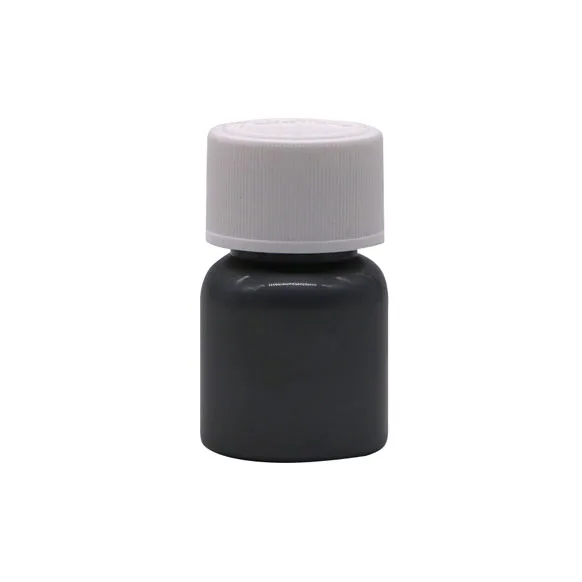
The blow molding process is a crucial manufacturing technique used to create plastic bottles and containers, particularly in the cosmetic, health, food, and household packaging industries. Understanding the key steps in plastic bottle blow molding is vital for B2B buyers, including purchasing managers and product developers, as it directly impacts product quality, cost, and delivery timelines. This article will provide an in-depth overview of the blow molding process, quality control measures, how to select a trusted manufacturing partner, evaluate specifications for custom bottles, and installation guidance for incorporating blow molded bottles into your projects.
What Are the Key Steps in Plastic Bottle Blow Molding Process?
The blow molding process consists of several essential steps that transform plastic resin into finished bottles. Here are the key stages:
Material Selection: The first step involves choosing the appropriate plastic resin, which can include PET, PE, PETG, PLA, or PCR. Each material has specific properties that affect the bottle's strength, clarity, and barrier capabilities. For instance, PET is commonly used for its excellent clarity and strength, while PLA is favored for its biodegradable properties.
Extrusion or Injection Molding: In the extrusion method, plastic resin is heated and extruded into a parison, a hollow tube-like shape. In injection molding, the resin is heated and injected into a mold to create a preliminary bottle shape. The chosen method largely depends on the desired bottle design and production volume.
Blow Molding: The parison or preform is then placed in a mold. Air is blown into the parison, causing it to expand and take the shape of the mold. This stage requires precise control of air pressure and temperature to ensure uniform wall thickness and avoid defects.
Cooling: Once the plastic bottle is formed, it is cooled to solidify the plastic. This step is essential to maintain the integrity of the bottle and prevent deformation.
Trimming and Quality Inspection: After cooling, the bottles are removed from the molds and undergo trimming to remove any excess plastic. Quality inspections are performed to check for defects such as uneven walls, leaks, or surface imperfections.
Labeling and Packaging: Finally, bottles are labeled, packaged, and prepared for shipping. Depending on the customer requirements, custom labeling can be applied at this stage.
Understanding these steps helps buyers appreciate the complexity involved and the importance of selecting a manufacturer with experience in blow molding.
Quality Control Measures in Plastic Bottle Blow Molding
Quality control is paramount in the blow molding process to ensure that the final products meet the required specifications. Here are some critical quality control measures:
Material Testing: Before production, raw materials undergo rigorous testing for properties like tensile strength, clarity, and chemical resistance. This ensures that the chosen resin will perform adequately in its intended application.
In-Process Inspections: Throughout the blow molding process, regular inspections are conducted to monitor parameters such as temperature, pressure, and wall thickness. Any deviations can lead to defects, and timely corrections can save costs and materials.
Final Product Testing: After the bottles are produced, they undergo several tests, such as leak tests and pressure tests, to ensure they meet quality standards. This step is vital for bottles intended for food or health products, where safety is paramount.
Traceability: A robust traceability system allows manufacturers to track materials and processes, enabling quick identification and resolution of issues if defects are found.
Certification Compliance: Ensuring that products comply with industry standards and regulations is crucial for maintaining quality. Buyers should check for certifications relevant to their industry, such as FDA compliance for food packaging.
By prioritizing these quality control measures, manufacturers like Hangzhou Mochen Packaging Co., Ltd can ensure consistent product quality, which is a critical factor for B2B buyers.
Selecting a Trusted Blow Molding Partner
Choosing the right blow molding partner is vital for ensuring the quality and reliability of your packaging solutions. Here are some factors to consider:
Experience and Expertise: Look for a manufacturer with a proven track record in blow molding and extensive industry experience. Companies like Hangzhou Mochen Packaging Co., Ltd, with 12 years in the packaging industry, can offer valuable insights and solutions.
Manufacturing Capabilities: Assess the manufacturer’s capabilities, including the range of materials they work with, the types of products they can produce, and their production capacity. A one-stop provider can simplify your supply chain, saving time and reducing costs.
Customization Options: If your project requires specific designs or features, ensure that the partner can accommodate customization. This includes unique biodegradable plastic bottles shapes, sizes, and labeling requirements.
Quality Assurance Processes: Inquire about the manufacturer’s quality control measures and certifications. A partner committed to maintaining high standards will be more reliable.
Communication and Support: Effective communication is essential for a successful partnership. Choose a manufacturer that is responsive and willing to provide support throughout the project, from design to delivery.
References and Reviews: Finally, check references or reviews from previous clients to gauge the reliability and quality of the manufacturer’s products.
By considering these factors, buyers can select a blow molding partner that meets their specific needs and fosters a long-term relationship.
How to Evaluate Specifications for Custom Blow Molded Bottles
When ordering custom blow molded bottles, understanding the specifications is crucial for ensuring that the final product meets your requirements. Here are key specifications to evaluate:
Dimensions: Confirm the bottle’s dimensions, including height, diameter, and neck size. These measurements should align with your filling equipment and end-user needs.
Material Properties: Each material has unique properties affecting its suitability for different applications. For instance, if the bottle needs to withstand high temperatures, materials like PETG may be more appropriate than standard PET.
Wall Thickness: The wall thickness impacts the bottle's strength and weight. It should be designed to handle the intended product without compromising on material costs.
Closure Compatibility: Ensure that the bottle design is compatible with the closures you plan to use. The neck finish and dimensions should match the closure specifications to prevent leakage.
Surface Finish: Depending on the application, the surface finish may need to be smooth for aesthetic reasons or textured for grip. Discuss your preferences with the manufacturer.
Regulatory Compliance: For bottles intended for food or pharmaceutical use, confirm that the materials and manufacturing processes comply with relevant regulations.
By carefully evaluating these specifications and working closely with your manufacturer, you can ensure that the custom bottles will meet your functional and regulatory needs.
Installation Guidance for Blow Molded Bottles in Your Projects
Incorporating blow molded bottles into your projects requires careful planning to ensure proper installation and functionality. Here are some practical tips:
Understand Compatibility: Ensure that the blow molded bottles are compatible with your existing filling and packaging equipment. This includes assessing neck finishes, bottle shapes, and sizes.
Testing Samples: Before full-scale production, request samples to test in your production line. This helps identify any fit or performance issues that could arise during actual use.
Training for Operators: Provide training for operators on handling and installing the bottles. Proper handling prevents damage and ensures optimal performance during the filling and packaging processes.
Monitoring During Installation: During the initial installation phase, closely monitor the process for any issues. This includes checking for leaks and ensuring that reusable plastic bottles fit securely with closures.
Feedback Loop: Establish a feedback loop with your manufacturer to discuss any issues encountered during installation or operation. This can inform future improvements and adjustments.
By following these guidelines, you can ensure a smooth installation process and maximize the performance of blow molded bottles in your projects.