
 EN
EN
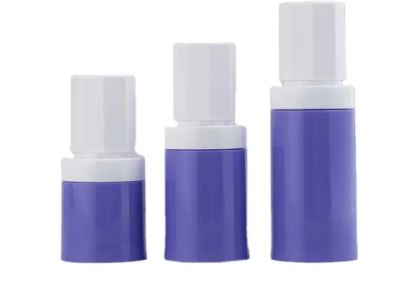
Understanding how bottle capacity and neck size affect dropper bottle compatibility is crucial for businesses in the cosmetic, health, food, and household packaging sectors. This knowledge ensures that the selected dropper small perfume bottles meet product requirements, enhance user experience, and prevent compatibility issues during production and distribution., we will delve into essential considerations that B2B buyers must evaluate when selecting dropper bottles, focusing on capacity, neck size, and quality factors.
How Bottle Capacity Influences Dropper Bottle Selection
Bottle capacity directly affects the usability and performance of dropper bottles. A larger capacity is generally suitable for products that require frequent use or larger doses, such as essential oils or pharmaceuticals. Conversely, smaller capacities may be preferable for products requiring precise dispensing, such as serums or tinctures.
When selecting a dropper bottle, buyers should also consider the intended application. For example, a 30ml bottle might be ideal for a high-end serum, while a 100ml bottle may be better suited for a bulk essential oil blend. The choice of capacity impacts not only the user experience but also production costs, as larger bottles typically incur higher material expenses. Additionally, understanding the target market can guide capacity decisions; for instance, travel-size bottles are increasingly popular in the cosmetics industry.
Understanding Neck Size for Optimal Dropper Bottle Compatibility
The neck size of a dropper bottle is a vital specification that influences compatibility with dropper inserts and dispensing mechanisms. Different products require different neck sizes, and choosing an incompatible neck size can lead to leakage, improper dispensing, and user dissatisfaction.
Standard neck sizes, such as 18mm or 20mm, are commonly used in the industry, but variations exist based on specific product needs. Buyers must be aware of the neck size when ordering dropper glass perfume bottles to ensure they align with their chosen dispensing systems. Furthermore, the neck design can affect the sealing capability, impacting the shelf life and stability of the product. Therefore, it is essential that buyers confirm neck dimensions and compatibility with suppliers before placing orders.
Evaluating Quality Factors in Dropper Bottle Manufacturing
Quality is paramount in dropper bottle manufacturing, as it affects product integrity and customer satisfaction. Key factors to evaluate include material selection, production processes, and quality control measures.
For example, materials like PET, PE, and glass offer varying degrees of durability, chemical resistance, and aesthetic appeal. Buyers should consider the specific requirements of their products—such as exposure to UV light or chemical interactions—and select materials that provide the necessary protection.
Additionally, manufacturers like Hangzhou Mochen Packaging have extensive experience in quality assurance processes, which include rigorous testing protocols for each batch of bottles produced. Buyers should inquire about certification standards, such as ISO, that the manufacturer adheres to, as these can provide assurance of the product’s quality and safety.
How to Choose the Right Dropper Bottle for Your Needs
Selecting the right dropper bottle involves evaluating several factors, including capacity, neck size, and intended application. Buyers should start by defining their product requirements, such as the type of liquid being dispensed, desired user experience, and branding considerations.
Once these parameters are established, consider requesting samples from suppliers to assess the look and feel of the bottles, as well as their functional performance. Testing samples under actual working conditions can reveal potential issues that may not be apparent during initial evaluations. Additionally, when discussing custom options, buyers should clarify their specific needs regarding dimensions, design, and materials.
Furthermore, it’s essential to consider logistics and distribution. Understanding how the chosen bottles will be packaged and shipped can influence cost and lead time. Buyers should communicate their logistical requirements to ensure that the final product aligns with their distribution strategy.
Common Problems with Dropper Bottles and Their Solutions
While dropper bottles are generally reliable, several common issues can arise during usage or production. One prevalent problem is leakage, often caused by improper sealing or incompatible neck sizes. To mitigate this issue, buyers should ensure that the selected dropper insert fits securely within the neck of the bottle and that the sealing mechanism is robust.
Another challenge is the presence of air bubbles in the liquid, which can affect product quality and user experience. This issue can often be resolved by adjusting the filling process to minimize air entrapment. Additionally, buyers should consider the impact of temperature variations during transport and storage, which can lead to expansion or contraction of the liquid within the black perfume bottle, potentially compromising seals.
Finally, buyers should remain vigilant regarding the quality of materials used in dropper bottle production. Poor-quality materials can lead to degradation over time, affecting the contents and overall integrity of the product. Regular communication with suppliers about quality standards and any observed issues can help maintain high production standards.
By understanding how bottle capacity and neck size affect dropper bottle compatibility, buyers can make informed decisions that enhance product performance and customer satisfaction. With careful consideration of these factors, businesses can optimize their packaging solutions and ensure successful product delivery in the competitive marketplace.