
 EN
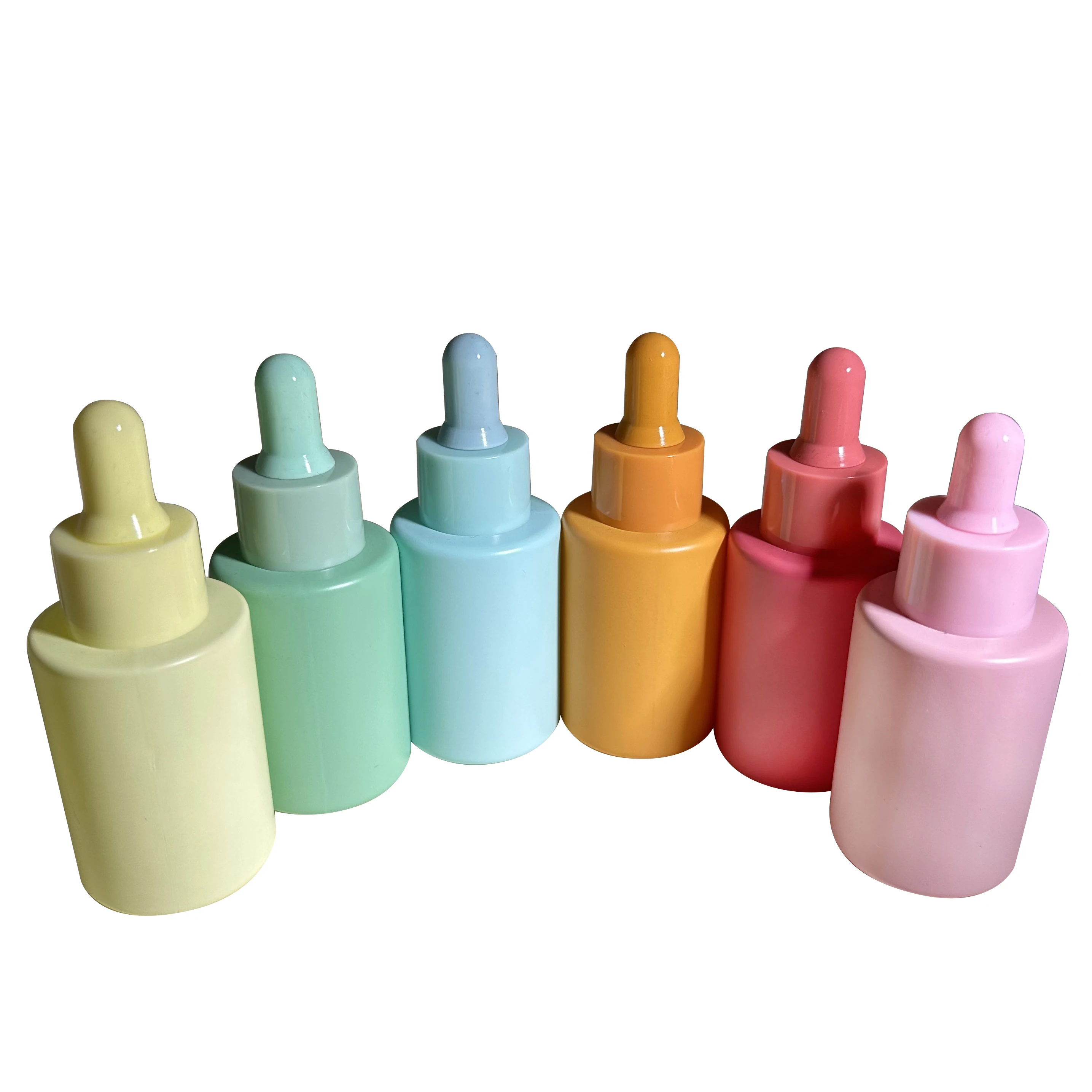
Understanding what determines the leak resistance of a high-quality dropper bottle is crucial for manufacturers, distributors, and purchasing managers in the cosmetic, health, food, and household sectors. Ensuring that products maintain their integrity during storage and transport is paramount, as leaks can lead to product loss, customer dissatisfaction, and potential safety issues. This article will explore the key factors influencing leak resistance, helping you make informed decisions when selecting dropper bottles for your applications.
What Factors Influence Leak Resistance in Dropper Bottles?
Several factors influence the leak resistance of dropper bottles, primarily the materials used, the design of the closure system, and the manufacturing process.
Materials: The choice of material affects the bottle's barrier properties. For instance, PET and PE are popular choices due to their durability and flexibility, while PLA offers a biodegradable option. However, each material has varying resistance to chemical interaction and temperature changes, which can impact leak performance.
Closure Design: The closure system, including the dropper's cap and seal, plays a vital role in preventing leaks. A well-designed closure ensures a tight fit and creates an effective seal against external elements. Features such as tamper-evident seals and child-resistant caps can also enhance leak resistance.
Manufacturing Precision: Consistency in production is essential. Variations in the manufacturing process, such as temperature and pressure during molding, can affect the integrity of the seals and the overall structure of the dropper bottle. High-quality manufacturers utilize advanced equipment and rigorous quality control processes to minimize these variations.
Testing and Compliance: Conducting thorough leak testing during the design phase and prior to mass production ensures that any potential weaknesses are identified and addressed. Compliance with international standards for packaging can also enhance trust in the product's leak resistance.
Which Offers the Best Leak Resistance?
When evaluating different types of dropper bottles, those made from materials with proven barrier properties, such as PETG for its clarity and chemical resistance, tend to offer superior leak resistance. Additionally, bottles with integrated tamper-evident features and double-seal systems provide an added layer of protection against leaks.
For example, a dropper bottle featuring a silicone seal within the closure can effectively reduce the likelihood of leaks by accommodating slight changes in pressure or temperature during transport. The shape and design of the bottle also impact its ability to withstand pressures without compromising the seal.
Ultimately, the best option will depend on the specific requirements of your application, such as the product being contained, expected environmental conditions, and storage requirements. Consulting with a trusted supplier can help identify the most suitable options.
Understanding Specifications for Reliable Dropper Bottle Performance
When selecting dropper bottles, certain specifications must be closely evaluated to ensure reliable performance. Key specifications include:
Dimensions: The height and diameter of the bottle should align with your dispensing needs. Consider the size of the dropper tip as well, as it can influence the dispensing rate.
Material Thickness: The thickness of the cosmetic dropper bottles walls affects both durability and weight. A thicker wall may offer better protection against impact and transportation stresses, but it could also increase costs and weight.
Sealing Mechanism: Understanding how the sealing mechanism works is critical. Some closures use a simple screw-on method, while others may incorporate additional features like gaskets or O-rings for enhanced leak protection.
Compatibility: Confirm that the chosen bottle material is compatible with the product to be dispensed. For instance, certain essential oils or chemicals may react with standard plastics, leading to degradation and potential leakage.
Buyers should request detailed specifications from suppliers, including technical drawings and samples to evaluate fit and performance before making large orders.
Finding Trusted Suppliers for Dropper Bottles
Finding a reliable supplier is essential for ensuring the quality and consistency of dropper bottles. Here are several steps to consider:
Industry Reputation: Look for suppliers with a solid reputation in the packaging industry. Reading client testimonials and case studies can provide insight into their reliability and product quality.
Manufacturing Capabilities: Assess whether the supplier has the necessary manufacturing capabilities to meet your specific requirements. For example, Hangzhou Mochen Packaging Co., Ltd offers custom solutions and has experience in producing various bottle types.
Certifications: Check for industry certifications that demonstrate compliance with international quality standards, such as ISO certifications. These can indicate a commitment to quality and safety.
Customization Options: Ensure the supplier can accommodate your customization needs, whether it's regarding dimensions, materials, or branding. This flexibility can help you create a product that stands out in the market.
Sample Approval Process: Before committing to a large order, request samples to evaluate their performance under real-world conditions. This step can help identify potential issues before production.
Evaluating Quality Control Measures for Dropper Bottle Production
Quality control measures are crucial in maintaining the integrity of mini dropper bottles. Consider the following aspects when evaluating a supplier's quality control process:
Incoming Material Inspection: Suppliers should conduct thorough inspections of raw materials upon receipt to ensure they meet specified standards. This helps prevent defects that could lead to leaks.
In-Process Inspections: Regular in-process inspections during production can catch issues early. This includes monitoring the molding process and ensuring that each bottle meets dimensional specifications.
Final Product Testing: Conducting final tests, such as leak tests and pressure tests, ensures that the bottles can withstand typical conditions they will face in the field.
Documentation and Traceability: A supplier should maintain documentation of quality control processes, allowing for traceability in case issues arise. This transparency can build trust between you and the supplier.
Continuous Improvement Practices: Suppliers should have systems in place for continuous improvement. This includes analyzing production data and seeking out ways to enhance quality and efficiency.
By understanding the factors that determine leak resistance in dropper bottles and evaluating potential suppliers effectively, businesses can make informed decisions that enhance product integrity and customer satisfaction.