
 EN
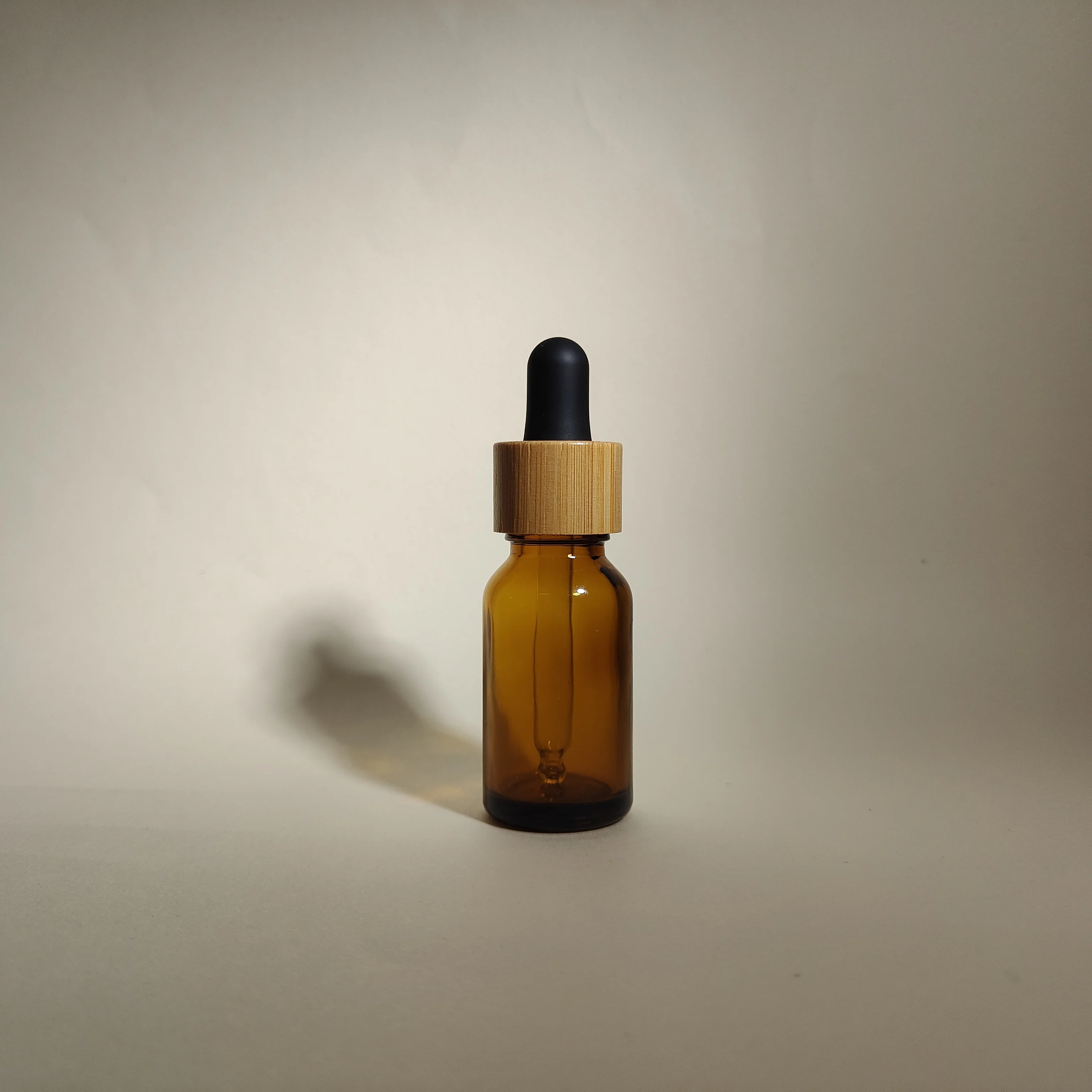
Understanding the differences between amber and clear dropper bottles is crucial for businesses looking to protect their products effectively. This article explores the question of "Amber vs. Clear Dropper Bottles: Which One Protects Your Formula Better?" It addresses key concerns such as material properties, protection levels against light and air, and the suitability of each type for specific applications. Readers will gain insights into how to make informed decisions when selecting packaging solutions for their cosmetic, health, or food products.
What Are the Key Differences Between Amber and Clear Dropper Bottles?
Amber and clear dropper bottles differ primarily in their material composition and protective capabilities. Amber bottles are made from colored glass or plastic that filters out harmful ultraviolet (UV) light. This characteristic is crucial for preserving sensitive formulas, such as essential oils, vitamins, and certain pharmaceuticals, which can degrade when exposed to UV light. The amber hue acts as a barrier, significantly extending the shelf life of light-sensitive contents.
In contrast, clear dropper bottle are typically made from clear glass or plastic, allowing full visibility of the product inside. While this transparency is beneficial for aesthetic purposes and product display, it lacks the protective qualities of amber bottles. Products in clear bottles are more susceptible to degradation caused by UV light, making them less suitable for formulations that require protection from light exposure.
Furthermore, the choice of material whether PET, PETG, or glass also influences the performance and safety of the bottles. For example, PETG bottles combine clarity with enhanced barrier properties compared to standard PET, while glass offers superior chemical resistance but is heavier and more fragile. Understanding these differences is essential for buyers to select the appropriate packaging for their specific product needs.
Choosing Between Amber and Clear Bottles
When deciding between amber and clear dropper bottles, several factors come into play. The first consideration is the type of product being packaged. If the product is sensitive to light, such as essential oils or certain herbal extracts, amber bottles are the preferred choice to ensure stability and efficacy. For products that are not light-sensitive or where visual appeal is paramount like colored serums or tinctures clear bottles may be more appropriate.
Another consideration is the target market. If the product is intended for retail, clear bottles can enhance visibility on shelves, potentially attracting more buyers. Conversely, if the product’s longevity and effectiveness are more critical than aesthetics, amber bottles should be prioritized.
Finally, buyers should consider the cost implications. Generally, clear bottles may be less expensive due to lower material costs, but this can vary depending on the specific materials and customization options. Therefore, a thorough analysis of both the product requirements and market positioning will lead to a more informed decision.
Where to Find Reliable Suppliers for Amber and Clear Dropper Bottles
Finding reliable suppliers for amber and clear dropper bottles involves assessing several key factors. Start by evaluating the supplier's experience in the packaging industry and their specialization in cosmetic, health, or food-grade products. Companies like Hangzhou Mochen Packaging Co., Ltd, with 12 years of experience in providing customized packaging solutions, offer a solid foundation for quality assurance.
Additionally, consider the supplier's manufacturing capabilities. Look for companies with advanced production facilities capable of producing high-quality bottles with the desired specifications. It’s essential to check if they can meet your minimum order quantities (MOQ) and production capacities, as these factors will directly impact lead times and costs.
Finally, verify the supplier's reputation through customer testimonials, industry certifications, and export experience. Suppliers who have successfully exported to multiple countries often have established quality control processes, making them more reliable partners.
When to Use Amber vs. Clear Dropper Bottles
The choice between amber and clear glass bottles largely depends on the product formulation and its intended use. Amber bottles are ideal for products like essential oils, serums, and pharmaceuticals that are susceptible to photodegradation. Using amber bottles in these cases helps maintain the integrity and potency of the formulas, ensuring they perform as intended throughout their shelf life.
On the other hand, clear dropper bottles are suitable for products that are either stable under light exposure or where visual appeal is a selling point. For instance, colorful cosmetic products or herbal tinctures that benefit from showcasing their contents can be effectively packaged in clear bottles.
Another important aspect to consider is the distribution and storage conditions. If the products will be exposed to light during transport or in retail environments, amber bottles provide an added layer of protection. Alternatively, if the product will be stored in dark environments, clear bottles may suffice.
How to Choose the Right Dropper Bottle for Your Product Needs
Selecting the right dropper bottle involves a careful assessment of various factors. Begin by defining the product type and its sensitivity to environmental factors such as light and air. For products that need protection, opt for amber bottles. For those that are stable and visually appealing, clear bottles are likely the better choice.
Next, consider the material of the bottle. Each material whether PET, PETG, or glass has its advantages and limitations. For instance, glass offers superior protection but is heavier and more fragile than plastic alternatives. Evaluate the intended application and distribution methods to ensure the chosen material aligns with the product's requirements.
Customization options are also vital. Many manufacturers, including Hangzhou Mochen Packaging Co., Ltd, offer customization in terms of size, shape, and closure types. Ensure that the bottle design meets your branding and functional needs while maintaining compliance with industry standards.
Finally, initiate communication with potential suppliers. Request samples to test the quality and suitability of the bottles for your specific products. This step is crucial before committing to a larger order, as it allows you to assess the performance and visual appeal of the packaging under real conditions.
By following these guidelines, businesses can make informed decisions about whether to choose amber or clear glass dropper bottles, ultimately enhancing the effectiveness and marketability of their products.