
 EN
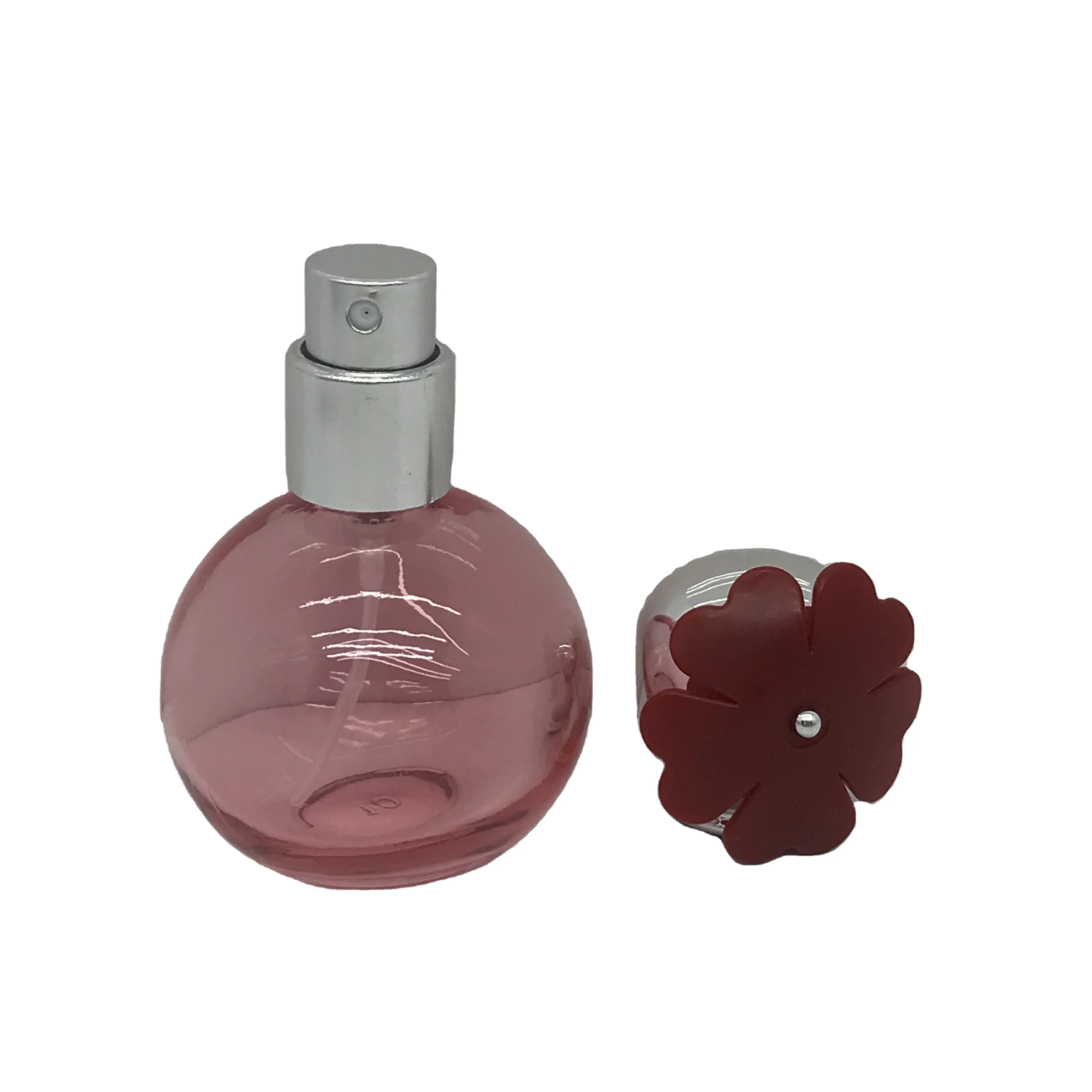
Understanding what makes a perfume bottle leak-proof during shipping and storage is essential for manufacturers and distributors in the fragrance industry. Buyers often face concerns about maintaining product integrity, ensuring customer satisfaction, and minimizing losses due to leaks. This article will explore the key specifications, material choices, quality control measures, cost factors, and best practices for storing perfume bottles, helping you make informed decisions for your packaging needs.
Key Specifications for Leak-Proof Perfume Bottle Design
When considering the design of leak-proof perfume bottle, several key specifications play a critical role. First, the closure type is paramount. A secure closure, whether a screw cap or a pump sprayer, must provide a tight seal to prevent leakage. Additionally, the neck finish should match the closure specifications to ensure compatibility and prevent gaps where leaks can occur.
Another important specification is the bottle wall thickness. Thicker walls can provide better structural integrity, especially during shipping. Depending on the material, manufacturers should tailor the thickness to balance weight and durability, ensuring that the bottles can withstand pressure changes during transport.
Finally, the overall design must account for the bottle's intended use. For instance, if the bottle will be stored upright or on its side during shipping, the design must mitigate potential leakage in both scenarios. A well-thought-out design will not only enhance aesthetic appeal but also functionality.
How Material Choices Affect Perfume Bottle Leak Resistance
The choice of material significantly impacts the leak resistance of perfume bottles. Common materials such as PET, PE, and glass each have unique properties that influence their performance. For instance, PET is lightweight and commonly used due to its excellent barrier properties against moisture and oxygen, which helps preserve the fragrance. However, for premium products, glass may be preferred for its impermeability and upscale appearance.
Material flexibility is another consideration. Rigid materials may crack under pressure, leading to leaks, while flexible materials might deform but offer better resistance to impacts. For example, a blow-molded PET bottle can absorb shock better than a rigid glass bottle, making it less likely to leak during shipping.
It's essential for buyers to consider the compatibility of the chosen material with the perfume's chemical composition. Certain substances may react with particular plastics, compromising both leak-proof capabilities and the perfume's integrity. Consulting with suppliers about material compatibility can prevent costly mistakes.
Evaluating Quality Control Measures for Perfume Bottles
Quality control (QC) measures are crucial for ensuring that mini perfume bottles meet leak-proof standards. Buyers should inquire about the manufacturer’s QC processes, which should include testing for leaks at various stages of production. This can involve pressure testing, where bottles are subjected to conditions that simulate shipping to identify any potential weak points.
Additionally, manufacturers should implement a visual inspection process to check for defects such as cracks or irregularities in the closure and bottle structure. Regular audits of production equipment are also vital to maintain consistency and quality. Understanding the manufacturer’s certifications and adherence to industry standards can offer buyers peace of mind regarding product quality.
Finally, it is beneficial to request samples before placing large orders. Testing these samples under real-world conditions can help identify any issues before mass production begins, saving both time and resources.
Cost Factors to Consider for Wholesale Perfume Packaging
When evaluating costs for wholesale perfume packaging, several factors come into play. The choice of materials directly impacts pricing; for example, glass bottles often come at a higher cost than plastic options due to raw material expenses and manufacturing processes.
Customization further influences pricing. Unique bottle shapes, embossing, or special finishes require additional design work and tooling, which can escalate costs. Buyers should weigh the benefits of customization against their budget constraints, ensuring that the packaging aligns with branding goals while remaining economically feasible.
Moreover, order quantities can affect pricing; larger orders may qualify for discounts. Buyers should discuss minimum order quantities (MOQ) with suppliers to optimize their purchasing strategy. Understanding lead times and shipping costs is also essential, as these can impact overall expenses.
Best Practices for Storing Perfume Bottles to Prevent Leaks
Proper storage of perfume bottles is vital to prevent leaks, especially during distribution. Here are some best practices:
Temperature Control: Store bottles in a climate-controlled environment to avoid extreme temperature fluctuations that may cause materials to expand or contract, potentially leading to leaks.
Orientation: Ideally, customised perfume bottles should be stored upright. If horizontal storage is necessary, ensure that the caps are secure and that the bottles are cushioned to prevent movement that could damage seals.
Avoid Direct Sunlight: Ultraviolet (UV) light can degrade some materials and affect the perfume's composition. Storing bottles in a dark or opaque container can help preserve both the packaging and the product.
Regular Inspections: Periodically check storage areas for signs of leakage or damage. Early detection can prevent larger losses and maintain customer trust.
By following these best practices, businesses can significantly reduce the risk of leaks during storage and shipping, ensuring that products reach customers in perfect condition.
With a thorough understanding of what makes a perfume bottle leak-proof during shipping and storage, buyers can make informed decisions that enhance product integrity and customer satisfaction.