
 EN
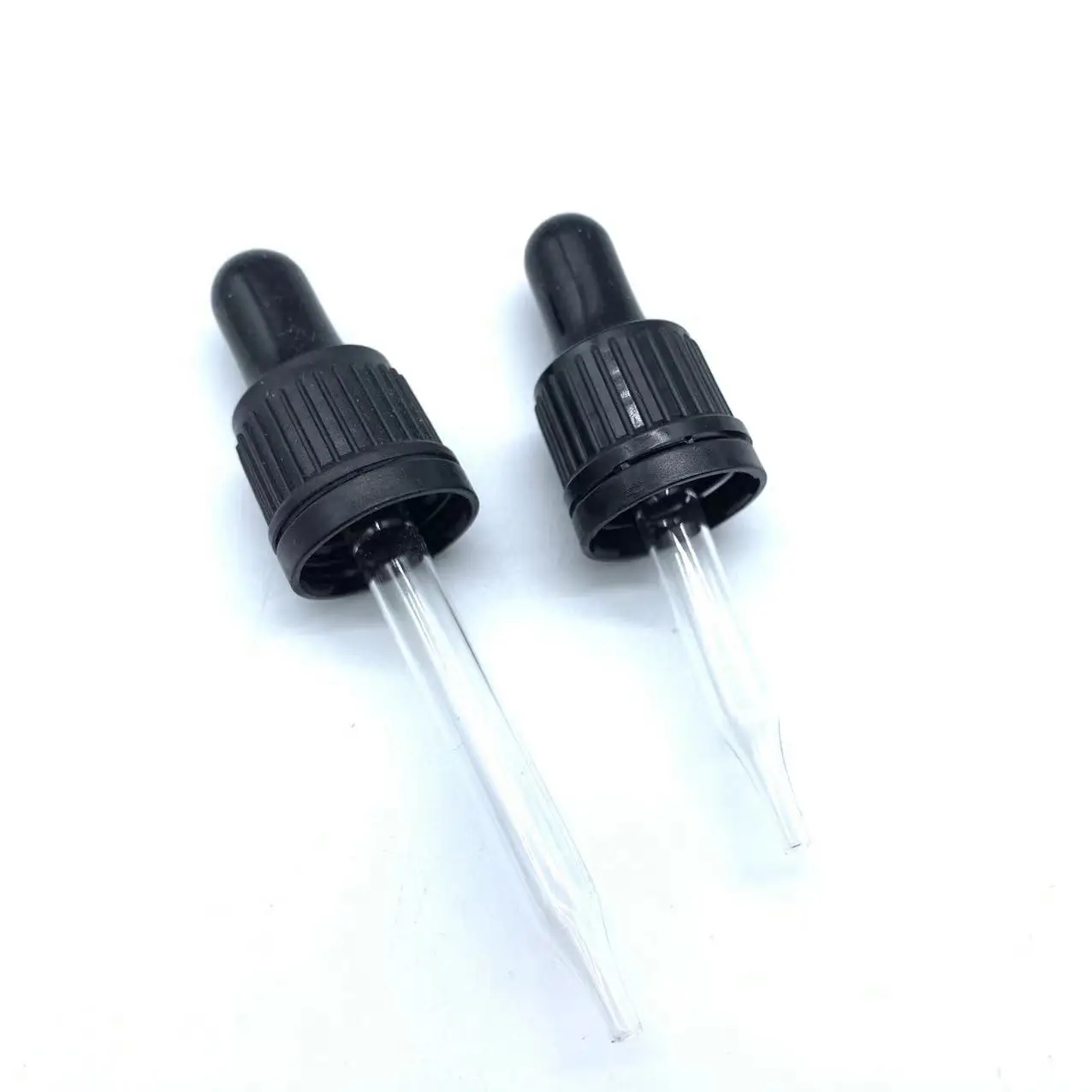
Understanding the differences between straight and curved glass droppers is essential for businesses involved in cosmetics, pharmaceuticals, or food industries. These droppers are crucial for dispensing precise amounts of liquids but vary significantly in design and application suitability. This article will help purchasing managers, product managers, and engineers better evaluate their options by addressing key concerns such as functionality, compatibility, and sourcing reliable suppliers.
How to Choose Between Straight and Curved Glass Droppers for Your Needs
When selecting between straight and curved glass droppers, several factors should be considered:
Application Use: Straight glass droppers are ideal for dispensing liquids in a vertical manner, making them suitable for standard applications such as essential oils or serums. Conversely, curved glass dropper can be advantageous for products that require a more angled approach, allowing for better precision in hard-to-reach areas or specific application needs.
Volume Control: Both types offer various volume control options. However, curved droppers may provide more flexibility in controlling the flow of thicker liquids. Evaluating the viscosity of the liquid to be dispensed is essential when deciding which type will meet your needs.
Ergonomics: Consider the end-user experience. Curved droppers can sometimes be easier to handle, especially for applications where users need to angle the dropper for precision. Assessing the user's comfort and the practicality of use can significantly influence the choice.
Material Compatibility: Ensure that the materials used in the dropper construction are suitable for the liquid being dispensed. This includes checking for any chemical compatibility issues that could affect the product's integrity.
What You Need to Know About Glass Droppers
Glass droppers are commonly made from high-quality borosilicate glass, which offers excellent chemical resistance and thermal stability. Here are some key specifications to consider:
Dimensions: Droppers come in various sizes, typically ranging from 1 ml to 30 ml. The choice of size should align with the product's packaging and intended use.
Tip Design: The design of the dropper tip affects the flow rate and precision. Straight tips provide a consistent drop size, while curved tips may allow for more controlled dispensing.
Sealing Mechanisms: The sealing of the dropper is critical for maintaining the integrity of the liquid. It’s essential to evaluate whether the dropper uses rubber gaskets or silicone seals and how these materials may react with the liquid.
Customization: Many manufacturers, including Hangzhou Mochen Packaging Co., offer customization options for droppers, such as color, size, and branding. Customization can significantly enhance product presentation and user experience.
Common Problems with Glass Droppers and Their Solutions
While glass droppers are generally reliable, several common issues may arise during their use:
Breakage: Glass droppers can break if dropped or subjected to extreme conditions. To mitigate this, consider sourcing droppers with reinforced designs or protective packaging solutions during shipping.
Leakage: Improper sealing or incorrect application can lead to leakage. Ensuring that the dropper is compatible with the container and that seals are adequately tested can help prevent this issue.
Difficulties in Dispensing: Sometimes, users may face challenges with dispensing, particularly with viscous liquids. Providing clear instructions on how to use the dropper effectively can improve user experience.
Cleaning and Maintenance: Glass dropper bottles require regular cleaning, especially in pharmaceutical or food applications. Offering guidance on proper cleaning methods can enhance product safety and usability.
Where to Source Reliable Suppliers for Glass Droppers
Finding a reliable supplier for glass droppers involves several steps:
Research and Reviews: Look for suppliers with a strong reputation in the industry. Platforms like Alibaba, ThomasNet, and industry-specific forums can provide valuable insights into manufacturer reliability.
Certifications: Ensure that the supplier adheres to international quality standards and certifications relevant to your industry, such as ISO or GMP. This assures the quality and safety of the products being sourced.
Sample Evaluation: Before placing a bulk order, request samples to evaluate the dropper's quality, functionality, and suitability for your specific application.
Customization Capabilities: Assess whether the supplier can accommodate your customization needs, such as branding or specific size requirements. This flexibility can be crucial for product differentiation.
Communication: Establishing open lines of communication with potential suppliers can help clarify expectations and ensure that any specific requirements are met.
Applications of Straight and Curved Glass Droppers in Various Industries
Glass droppers find applications across several industries, each benefiting from their unique design features:
Cosmetics: Both straight and curved droppers are widely used in cosmetic packaging for serums, oils, and fragrances. The choice often depends on the product formulation and desired user experience.
Pharmaceuticals: Precision is paramount in the pharmaceutical industry. Straight droppers are commonly used for administering liquid medications, while curved droppers may be utilized for more complex formulations requiring careful dosing.
Food and Beverage: Empty glass dropper bottles are also used in food applications, particularly for flavoring oils or extracts. Ensuring that the dropper materials comply with food safety regulations is critical.
Essential Oils: In the essential oil industry, straight droppers are preferred for their ease of use and accuracy in dispensing potent liquids, while curved designs can be beneficial for specific blends requiring careful application.
By understanding these practical differences and applications, B2B buyers can make informed decisions when selecting between straight and curved glass droppers, ensuring they meet their specific business needs effectively.