
 EN
EN
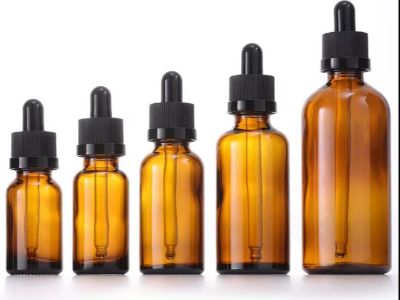
Choosing the right dropper bottle for essential oils and skincare products is crucial for maintaining product integrity and ensuring an optimal user experience. With various options available, B2B buyers often face challenges in selecting the most suitable bottle, considering factors such as material, design, and quality. This article will guide you through the essential aspects of choosing the right 100ml dropper bottle, from material comparisons to quality control standards, helping you make an informed purchasing decision.
How to Choose the Right Dropper Bottle for Essential Oils
When selecting a dropper bottle for essential oils, several key factors should be considered. The material of the bottle plays a significant role, as it needs to be compatible with the oil's chemical properties. Common materials include glass and various plastics, each offering different benefits:
Glass: Ideal for high-end essential oils, glass 50ml dropper bottles provide excellent barrier properties, ensuring the oils remain uncontaminated and stable over time. They are also recyclable, which appeals to eco-conscious brands.
Plastic: While generally less expensive, plastics like PET or PETG can be suitable for certain essential oils. However, buyers should carefully verify compatibility to prevent leaching or degradation of the oil.
Additionally, consider the bottle design, including dropper size and neck finish. A dropper with a precise dispensing mechanism can enhance user experience and minimize waste, which is vital for high-value essential oils.
Wholesale Supplier Options for High-Quality Dropper Bottles
Finding a reliable wholesale supplier for dropper bottles is essential for consistent quality and supply chain reliability. Look for manufacturers like Hangzhou Mochen Packaging Co., Ltd, which has over 12 years of experience in producing a variety of packaging solutions, including custom dropper bottles. When evaluating potential suppliers, consider the following:
Reputation and Experience: Choose suppliers with a strong track record in the industry and a portfolio of satisfied clients across diverse markets.
Customization Capabilities: A good supplier should be able to accommodate specific design and branding requirements. This includes custom colors, sizes, and closures to align with your product image.
Quality Certifications: Ensure the supplier adheres to recognized quality standards and has quality control processes in place. This can include ISO certifications or adherence to GMP (Good Manufacturing Practice) guidelines.
Comparing Material Advantages for Dropper Bottles in Skincare
In the skincare industry, selecting the right material for dropper bottles is equally important. Factors such as chemical compatibility, barrier properties, and user perception influence the decision. Here’s a comparative overview of common materials:
Glass: As mentioned, glass is non-reactive and maintains product integrity, making it suitable for essential oils and sensitive formulations. It also presents a premium appearance that can enhance brand perception.
PET/PE: These plastics can be lightweight and shatter-resistant, which is beneficial for shipping and handling. However, they may not offer the same barrier properties as glass, making them less suitable for volatile compounds.
PCR (Post-Consumer Recycled) Plastics: Using PCR materials demonstrates a commitment to sustainability. These materials can be used for dropper bottles, but ensure they meet performance requirements specific to your products.
Ultimately, the choice of material should align with the product's formulation, shelf life requirements, and brand positioning.
Evaluating Quality Control Standards for Dropper Bottle Suppliers
Quality control is a critical aspect of sourcing dropper bottles. As a buyer, you should inquire about the supplier's quality assurance processes to minimize risks of defects or inconsistencies. Key elements to consider include:
Incoming Material Inspection: Ensure that the supplier inspects raw materials upon arrival, verifying that they meet specified standards before production begins.
In-Process Quality Checks: Regular checks during manufacturing help identify issues early, reducing the likelihood of defects in the final product.
Final Product Testing: Before shipping, completed bottles should undergo testing for functionality, durability, and compatibility with intended products.
In addition, consider requesting samples from potential suppliers to evaluate quality firsthand. This includes checking for any visual defects, ensuring the dropper mechanism functions correctly, and confirming that the packaging meets your specifications.
Common Problems with Dropper Bottles and Effective Solutions
Despite their popularity, dropper bottles can present several issues that buyers should be aware of. Here are common problems and potential solutions:
Leaking Issues: Leaks can occur if the dropper seals are not adequately designed. Always check the seal integrity and opt for suppliers that offer tested sealing solutions.
Dropper Malfunction: A poorly designed dropper can lead to inconsistent dispensing. Ensure the supplier provides dropper samples for testing, focusing on user experience in real-world conditions.
Chemical Compatibility: Certain essential oils may react adversely with specific plastics, leading to degradation or contamination. Conduct compatibility tests for the materials used in the essential oil dropper bottles to prevent product spoilage.
As a best practice, maintain open communication with your supplier regarding any concerns and be proactive in addressing potential issues before they affect product quality or customer satisfaction.
By understanding these critical factors when selecting dropper bottles for essential oils and skincare products, B2B buyers can make informed decisions that enhance product integrity and user experience. With the right supplier, such as Hangzhou Mochen Packaging Co., Ltd, you can ensure that your packaging not only meets industry standards but also aligns with your brand's commitment to quality and sustainability.
Table of Contents
- How to Choose the Right Dropper Bottle for Essential Oils
- Wholesale Supplier Options for High-Quality Dropper Bottles
- Comparing Material Advantages for Dropper Bottles in Skincare
- Evaluating Quality Control Standards for Dropper Bottle Suppliers
- Common Problems with Dropper Bottles and Effective Solutions