
 EN
EN

Is HDPE a Biodegradable Plastic? Understanding the Truth About HDPE Packaging
In today’s beauty and personal care market, sustainability is no longer just a buzzword – it is a core purchasing driver. As a manufacturer of skincare bottles, personal care containers, and various plastic and glass packaging solutions, we receive one critical question almost daily from brands and formulators: Is HDPE a biodegradable plastic? The short answer is no. But the full story is much more nuanced and directly impacts how responsible brands should approach their packaging decisions. In this article, we will dive deep into what HDPE really is, why it is not biodegradable, what biodegradability actually means, and how HDPE still fits into a sustainable packaging strategy when managed correctly.
What Is HDPE?
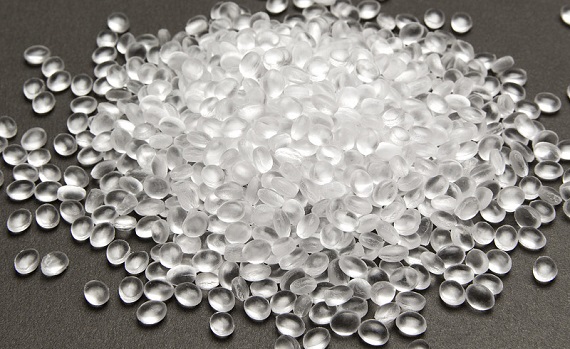
HDPE, or High-Density Polyethylene, is a thermoplastic polymer made from petroleum. It is characterized by its high strength-to-density ratio, excellent chemical resistance, and remarkable durability. In our own manufacturing plant, HDPE is one of the most requested materials for bottles used in shampoos, conditioners, body washes, lotions, toners, and other skincare and hair care products. Its opaque, slightly waxy surface can be beautifully finished with silk-screen printing, labeling, or even soft-touch coatings, making it a favorite for both mass-market and prestige personal care brands.
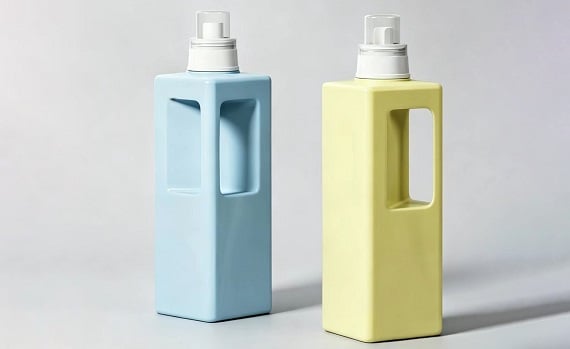
HDPE is identified by the resin identification code number 2. It is widely used for milk jugs, detergent bottles, and of course, cosmetic containers. In our factory, we run multiple blow-molding production lines capable of producing millions of HDPE bottles per year in custom shapes, sizes, and colors. We extrude and blow mold these bottles from virgin HDPE, PCR (Post-Consumer Recycled) HDPE, and specialized blends to meet diverse brand requirements.
Defining Biodegradable Plastic
To answer whether HDPE is biodegradable, we first need to clarify what “biodegradable” truly means. A biodegradable plastic is one that can be broken down by naturally occurring microorganisms such as bacteria, fungi, and algae into water, carbon dioxide (or methane in anaerobic conditions), and biomass, within a reasonably short timeframe. This breakdown must not leave behind toxic residues. True biodegradability depends heavily on the environment: temperature, humidity, and the presence of specific microbes.
Common biodegradable polymers include PLA (polylactic acid), PHA (polyhydroxyalkanoate), and certain starch-based blends. These materials are often certified according to international standards such as EN 13432 (for industrial compostability) or ASTM D6400. This is a key point: many consumers confuse “biodegradable” with “compostable,” but they are not interchangeable. A material can be biodegradable without being compostable, and vice versa, under certain technical definitions.
Why HDPE Is Not Biodegradable
HDPE is not biodegradable in any practical, real-world setting. Its molecular backbone consists of long chains of carbon-carbon bonds that are extremely stable and resistant to microbial attack. Microbes do not possess enzymes capable of cleaving these strong carbon bonds under normal environmental conditions. Laboratory studies have shown that HDPE can take hundreds of years to fragment into smaller pieces, and even then, it becomes microplastic rather than harmless biomass. In soil, marine environments, or landfill conditions, HDPE persists for generations.
This permanence is both a strength and a weakness. The durability that makes HDPE an excellent material for protecting your skincare formula against moisture, oxygen, and contamination is the very property that prevents it from naturally degrading. There are ongoing research efforts into adding pro-degradant additives or using oxidation to accelerate fragmentation, but these approaches often result in microplastics rather than true biological decomposition. Additionally, oxo-degradable plastics are increasingly being banned in many regions because of their misleading claims and negative environmental impact.
Therefore, if a brand claims its HDPE bottle is “biodegradable,” consumers and buyers should view that claim with extreme skepticism. From our perspective as a packaging manufacturer committed to transparency, we never label standard HDPE as biodegradable. Doing so would be greenwashing, and it damages the trust we work hard to build with our clients.
Biodegradable vs. Recyclable: A Crucial Distinction
The fact that HDPE is not biodegradable does not mean it is unsustainable. On the contrary, HDPE is one of the most recycled plastics on the planet. In many municipal recycling programs, HDPE bottles are collected, cleaned, ground into flakes, and reprocessed into new products – including new bottles. This is where the concept of a circular economy comes into play. Instead of designing a package to return to nature after a single use, we design it to stay within the technical material cycle, being reused again and again.
At our factory, we offer PCR HDPE packaging that contains up to 100% post-consumer recycled content. These bottles perform nearly identically to virgin HDPE but carry a significantly lower carbon footprint. They can be tinted, opaque white, or layered with specific color effects depending on the brand’s aesthetic requirements. We test every batch for compatibility with skincare and personal care formulas, ensuring that lotions, serums, and shampoos remain stable and uncontaminated even in high-PCR packaging.
This recyclability is a major environmental advantage. When a consumer finishes a bottle of moisturizer packaged in one of our PCR HDPE jars, that container can be placed in the recycling bin, and eventually, its material may find its way back into a new packaging product. We ourselves incorporate post-industrial HDPE scrap back into our production processes, minimizing factory waste and maximizing resource efficiency.
The Role of HDPE in Sustainable Skincare Packaging
Sustainable packaging is not about finding one “magic” material that solves all environmental problems. It’s about selecting the right material for the right application and managing its full lifecycle. HDPE is lightweight, which means lower transportation emissions compared to heavier materials like glass. It requires less energy to produce than many other plastics. And critically, it has an established, globally accessible recycling infrastructure.
For skincare and body care brands, HDPE offers functional benefits that many biodegradable alternatives cannot yet match. It provides excellent moisture barrier protection for water-based formulations. It is resistant to most oils and mild solvents found in beauty products. It is shatterproof, making it safe for shower environments – a huge plus for shampoo and body wash bottles. In our blow-molding facility, we can control the wall thickness distribution precisely to achieve rigid, premium-feel containers without excessive material usage, further optimizing sustainability.
We also work with glass and other materials for brands seeking different sustainability angles. Glass is infinitely recyclable and chemically inert, making it perfect for high-end serums and facial oils. But glass is heavy and energy-intensive to transport and remelt. A lifecycle analysis often reveals that a locally produced, recycled HDPE bottle may have a lower overall environmental impact for certain distribution scenarios. We guide our clients through these choices, drawing on years of manufacturing experience to recommend the optimal packaging mix.
How We Ensure Genuine Sustainability in Our Bottle Production
Since we are the factory, we have complete control over material sourcing, production, and quality control. This allows us to offer verifiable, documented sustainable packaging solutions to our brand partners. Here is how we approach HDPE sustainability in practice:
·PCR Integration: We source high-quality post-consumer HDPE resin from certified suppliers. Our technical team adjusts blow-molding parameters – temperature, parison speed, blow pressure
·To maintain consistent bottle weight and top-load strength even when using 100% PCR content.
·Material Efficiency: Our mold design engineers optimize preforms and bottle geometry to reduce material consumption while maintaining structural integrity. Lightweighting is one of the simplest and most effective sustainability strategies, and we apply it across our entire HDPE bottle catalog.
·Color and Additive Management: Some pigments and additives can interfere with recycling streams. We avoid using carbon black masterbatch in HDPE bottles because near-infrared sorting technology in recycling facilities cannot detect it. We offer detectable, recycling-friendly colors and provide full material disclosure.
·In-House Regrinding: Post-industrial waste from our production lines – such as start-up scrap and trim – is reground and blended back into the process at controlled percentages. Nothing goes to landfill from our trimming operations.
·Testing and Certification: We subject our bottles to migration testing, drop testing, and compatibility testing according to ISO and ASTM standards. When needed, we assist our clients in obtaining recycled content certifications or supporting documentation for their sustainability claims.
Because we are the manufacturer, we can document the entire chain of custody, from resin pellet to finished bottle. This level of transparency is difficult to achieve when relying on intermediaries, and it is one of the competitive advantages our clients leverage when marketing their own eco-conscious product lines.
Common Misconceptions About HDPE and the Environment
Many misconceptions exist around plastic packaging, and it’s important to address them with scientific accuracy:
Misconception 1: “If HDPE is not biodegradable, it must be bad for the environment.”
The reality is that biodegradability is not the only sustainability metric. In a properly functioning circular economy, materials are recovered and reused, not left to degrade randomly in nature. HDPE’s recyclability makes it an excellent candidate for such a system.
Misconception 2: “Bioplastics always biodegrade.”
Many bioplastics require industrial composting conditions to break down. They will not degrade in the ocean or in home compost. If a PLA bottle ends up in the recycling stream, it can contaminate the PET or HDPE recycling process. The infrastructure for collecting and composting bioplastics is still limited in most parts of the world.
Misconception 3: “Recycled plastic is lower quality.”
Modern recycling technologies and our manufacturing know-how allow PCR HDPE to meet the same specifications as virgin material for most cosmetic applications. Minor aesthetic variations can be turned into a brand asset, signaling eco-responsibility to consumers.
Misconception 4: “Glass is always better than plastic.”
Glass is a fantastic material, and we produce a wide array of glass bottles and jars for skincare creams, serums, and essential oil products. However, glass is heavy and fragile, increasing transportation fuel consumption and breakage losses. The best material choice depends on the specific product, distribution channel, and end-of-life scenario.
Why Choosing the Right Packaging Partner Matters
As a factory that directly manufactures HDPE skincare bottles, PET jars, PCR containers, and glass packaging under one roof, we bridge the gap between material science and market-ready packaging. When a beauty brand comes to us with a goal of reducing their environmental footprint, we don’t just sell them a stock bottle. We analyze their product formula, shelf-life requirements, filling line, retail environment, and brand positioning. Then we recommend a packaging solution that balances sustainability, cost, aesthetics, and functionality.
If a brand is determined to use a material that will biodegrade, we explain the limitations of current technology for liquid cosmetics and may guide them toward alternative strategies, such as refillable HDPE bottles with replaceable inner pouches, or recyclable mono-material pumps. Our mission is to provide honest, science-based guidance and to manufacture packaging that meets the highest standards of performance and environmental integrity.
Conclusion: HDPE’s Real Sustainability Story
So, is HDPE a biodegradable plastic? No. Standard HDPE does not biodegrade under normal environmental conditions, and any claim suggesting otherwise should be scrutinized. But that does not make HDPE an enemy of sustainability. When responsibly manufactured, used, and recycled, HDPE is a cornerstone material of the circular economy. It protects sensitive skincare and personal care formulas, reduces transportation emissions, and has a robust, proven pathway for being reborn into new bottles through recycling.
At our facility, we are proud to be a trusted partner for brands navigating the complex landscape of sustainable packaging. We offer customizable HDPE bottles, PCR options, and comprehensive support to develop packaging that aligns with your environmental values without compromising on quality or design. To learn more about our HDPE packaging solutions, discuss your upcoming launch, or request samples of our latest PCR bottle collection, reach out to our team today. Together, we can create packaging that cares for both the consumer and the planet.