
 EN

How Glass Dropper Design Influences the User Experience of Beauty Products
In skincare, the dropper bottle is more than packaging. It is the user's first physical contact with the formula. A serum may have excellent ingredients, but if the dropper is stiff, drips, or delivers too much product, the experience feels cheap and messy. For brands, this directly affects reviews, repeat purchases, and perceived value.
At our factory, we produce glass dropper bottles and matching components for skincare and personal care brands. From tooling to final QC, we see how small design choices shape the daily user experience. Here are the key factors brands should consider.
The Dropper Bulb: Where Control Begins
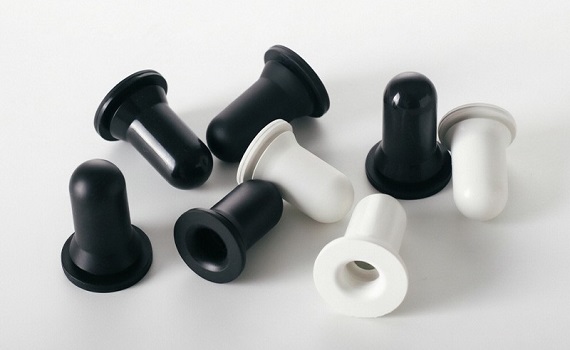
The bulb is the most tactile part of the package. Its material, wall thickness, and hardness determine how much effort the user needs to draw up the formula.
A bulb that is too hard causes hand fatigue. One that is too soft may collapse unevenly and deliver inconsistent doses. The best design gives a smooth, predictable rebound and a comfortable grip, even with oily hands.
Silicone and rubber bulbs can be tuned to different hardness levels. For essential oils and active-rich serums, material compatibility also matters. Our factory tests bulb elasticity, suction, and formula contact before mass production.
Pipette Length, Tip, and Dosage Accuracy
The glass pipette must reach the bottom of the bottle without scratching the base. If it is too short, users waste the last portion of an expensive formula. If it is too long, it may bend or break during insertion.
Tip opening size controls drop size and flow rate. A wide tip is suitable for viscous formulas; a narrow tip gives more precise dosing for lightweight serums. Graduation marks can further improve control for professional or clinical-style products.
Dosage accuracy is not a minor detail. Over-dosing wastes product and can irritate skin. Under-dosing reduces efficacy. We calibrate pipette length and tip geometry against the bottle fill volume and formula viscosity.
Neck Finish and Thread: The Invisible UX
Users rarely notice a well-designed bottle neck. They immediately notice a bad one. Poor thread matching can cause a wobbling collar, squeaky opening, or leakage around the cap.
Thread pitch, neck diameter, and collar tolerance must work together. The dropper should open and close smoothly without excessive force. The collar should sit flush and stay secure during daily use.
Our production team controls neck finish dimensions and matches them with dropper collars and caps. This avoids the common problem of mixing components that look compatible but leak in real use.
Leakage and Travel: The E-Commerce Reality
Today, many beauty products are shipped directly to consumers. A dropper bottle must survive vibration, pressure changes, and temperature shifts without leaking.
Leak-proof liners, precise collar seals, and optional shrink bands help prevent seepage. Drop tests and transport simulations reveal issues that may not appear in a simple filling test.
A leaky bottle ruins the unboxing experience and often leads to negative reviews. For brands selling online, leak-proof dropper design is not optional. It is part of the product.
Premium Feel and Sustainability
Glass remains a strong choice for premium skincare because it feels substantial, inert, and highly transparent. Clarity, wall thickness, and surface quality influence how the formula is perceived.
Collar material and finish also matter. Metal collars suggest luxury; matte plastics can create a modern, minimalist look. Printing, frosting, and color coating add branding value, but should not compromise grip or readability.
Sustainability is increasingly part of UX. Refillable dropper bottles and components that separate easily for recycling appeal to conscious consumers. Design should balance premium feel with practical disassembly.

Testing Before Mass Production
A dropper bottle should be tested as a complete system, not as separate parts. Key checks include:
·Dosage accuracy across the fill volume
·Bulb rebound after repeated use
·Torque and opening force of the collar
·Leakage under vibration and temperature change
·Formula compatibility with the bulb and glass
·Drop and impact resistance for e-commerce shipping
Our factory provides sample evaluation and in-house QC for bottle, dropper, and cap compatibility. This helps brands catch design issues before tooling and mass production.
Final Thoughts
Glass dropper design is user experience design. The bulb, pipette, neck finish, seal, and visual finish all shape how a product feels, performs, and travels. Brands that treat the dropper as a strategic component can reduce waste, improve reviews, and build a more premium image.
Our factory supplies skincare bottle packaging, personal care bottles, sunscreen stick bottles, plastic bottles, glass bottles, and matching accessories. If you are developing a new dropper bottle, our team can review your formula, fill volume, and target cost to recommend the right design.