
 EN
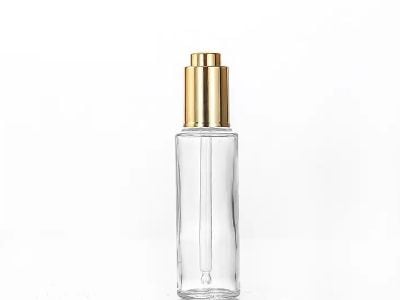
Understanding the common compatibility issues between glass droppers and bottle caps is crucial for manufacturers and suppliers in the packaging industry. The right combination ensures effective sealing, prevents leakage, and enhances user experience. This article will help B2B buyers identify key compatibility concerns, installation tips, sourcing options, applications, and material differences, enabling them to make informed purchasing decisions.
Glass Droppers vs. Bottle Caps
When considering glass droppers and bottle caps, compatibility is essential. Glass droppers, often used in cosmetic and pharmaceutical applications, require caps that can provide a secure seal without compromising the product. Common issues arise from variations in dimensions, thread designs, and material properties.
First, the dimensions of the dropper neck and the cap's inner diameter must match to avoid leakage. A misalignment can cause the dropper bottle to fail in delivering the intended dosage. Additionally, the threading must be compatible; certain bottle with dropper may have fine threads, while caps may have coarse threads, leading to improper sealing.
Material selection also plays a significant role. Glass droppers are typically made from high-quality glass to ensure durability and chemical resistance, while caps may be made from plastics like polypropylene (PP) or polyethylene (PE). The interaction between materials can lead to compatibility issues, especially with sensitive formulations. For instance, certain essential oils can degrade plastic, making it crucial to choose caps that are chemically resistant to the contents.
Installation Tips for Glass Droppers and Bottle Caps
Proper installation of glass droppers and caps is vital to ensure functionality. Here are some practical tips:
Inspect for Compatibility: Before installation, check the dimensions and threading of both the dropper and cap. Use calipers to measure the dropper neck diameter and ensure it matches the cap’s opening.
Clean Surfaces: Dust and debris can affect the sealing capability. Clean both the dropper neck and the inside of the cap with a lint-free cloth before assembly.
Align Threads: When screwing on the cap, align the threads carefully to avoid cross-threading. Start by gently rotating the cap to ensure it fits properly before tightening.
Test the Seal: After installation, perform a leak test by inverting the bottle. This will help identify any faults in the sealing, allowing for adjustments if necessary.
Sample Approval: Always approve a sample before mass production. This step is critical to confirm that the combination of the glass dropper bottles and cap meets the specified requirements.
Where to Source Reliable Bottle Caps for Glass Droppers?
Sourcing reliable bottle caps is integral to the success of packaging operations. Consider the following guidelines:
Reputable Manufacturers: Look for manufacturers with a proven track record in producing closures for glass droppers. Companies like Hangzhou Mochen Packaging Co., Ltd. provide a variety of customized solutions tailored to different applications.
Material Certification: Ensure that the supplier can provide material certifications, especially for food and cosmetic applications. This ensures compliance with safety regulations.
Customization Options: Choose suppliers that offer customization capabilities. This allows for specific designs, colors, and materials that meet your product's unique requirements.
Quality Control Processes: Inquire about the quality control measures in place. Reliable manufacturers will have strict quality checks to ensure that every batch of caps meets industry standards.
Minimum Order Quantities (MOQs): Understand the MOQ to facilitate budgeting and inventory management. Reliable suppliers typically offer flexible MOQs to accommodate various business sizes.
Applications of Glass Droppers with Various Bottle Caps
Glass droppers paired with suitable bottle caps are commonly used across several industries, including cosmetics, pharmaceuticals, and food. Here are some notable applications:
Cosmetics: In skincare products, glass droppers are ideal for serums and oils, providing precise dispensing. Caps designed for these applications often include tamper-evident features to enhance product safety.
Pharmaceuticals: Glass droppers are utilized in medicinal products for accurate dosing. The caps must ensure airtight sealing to preserve the integrity of the formulation.
Food and Beverages: In culinary applications, glass droppers can be used for flavoring oils or extracts. Caps should be food-safe and resistant to oils and acids to prevent contamination.
Essential Oils: The compatibility of glass droppers and caps is critical in the essential oil market. Caps must be resistant to the chemical properties of oils to prevent degradation and ensure longevity.
Understanding Material Differences in Glass Droppers and Caps
Material differences between glass droppers and caps significantly affect performance and compatibility. Here’s what buyers should consider:
Glass Properties: Typically, glass droppers are made from borosilicate or soda-lime glass. Borosilicate glass offers superior thermal resistance and chemical durability, making it suitable for sensitive formulations.
Cap Materials: Common materials for bottle caps include PP, PE, and polyvinyl chloride (PVC). Each material has distinct properties; for instance, PP is known for its strength and chemical resistance, while PE is more flexible but less robust.
Chemical Compatibility: It’s essential to analyze the chemical compatibility of the cap material with the dropper contents. For example, certain plastics may leach chemicals into essential oils, affecting purity and safety.
Temperature Resistance: Consider the temperature range the packaging will endure. Glass can withstand higher temperatures compared to most plastics, which may deform under heat.
Sustainability: As sustainability becomes a priority in packaging, consider eco-friendly materials. Some manufacturers offer caps made from recycled materials or biodegradable options that align with global sustainability goals.
By understanding these compatibility issues and material differences, B2B buyers can make informed decisions that enhance product functionality and customer satisfaction in their packaging solutions.