
 EN
EN

Арьсны хүртээмүүр бүтээдсүүд агуулжын гурил шилд нь цоорчихууна?
Арчилгааны бүтээдсийн дэлхийд хайрцаглах нь зөвхөн «сүүлд үзэмүүн гадаад хувцас»-ын тухайд бүүхүүн. Энэ нь идэвхт бүрдүүлэгчдийг хамгаалахын төлөөх анхны хамгаалалт, мөн брендийн харилцан уялдаа-хүйтний чухал дүрсүүлэгч юм. Бид косметик брендүүдтэй жил бүр хамтран ажилладаг хайрцаглах нийлүүлэгч бөлгөөн, түүнд дараах асуултуудыг олон дахин сонсдог: «Шилэн савууд тийнхүү тогтвортой, түүнд арчилгааны бүтээдсийн нөлөөлөл үүсгэхгүй юм уу?» эсвэл харин үүршүүр: «Би үнэрт үнсүүд шилэн савуудыг «коррозид» хийдэг гэж сонсдог, түүн дээр шилэн савууд бүрүүн бүтэн аюулгүй юм уу?»
Өнөдөр бид материал судлалын үүднээс түүн дээрх сүүдрийг гүнзгилж: Арчилгааны бүтээдсийн нөлөөлөл шилэн савуудыг коррозид хийдэг уу? Мөн бид үүн дээр үнэн зөв шинжилгээ хийж, өөр өөр найрлалын үед пластик савууд болон алюминий савуудын үзүүлэлтийг шинжилж, та нарын бүтээдсийн хөгжүүлэлт дээр хайрцаглах материалын илүү нарийн сонголт хийхэд туслах гэж бүүхүүн.
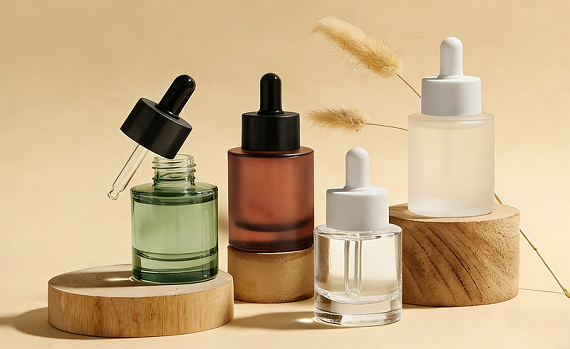
Шилний «дайтнууд»: коррозид биш, харин «щелочная осадка» (шүлтлэг тунадас) болон «шилнээс хуурхай тасрах»
Нөхцөлдүүр, бид нэг ухагдахуун тодруулах ёстой: хими удирдлагад «коррози» гэж ихэвчлэн орчинтой химийн урвалын үр дүнд материалуудын постепенно разрушение (постепенное разрушение) — постепенное разрушение — гэж ойлгож буй. Шил нь силицийн диоксид болон металлын оксидуудаас бүрдсэн аморфны органик биш металл бүх не-металлический материал. Хөрөнгөн температурт шил нь хүчлийн, суурин, давсны, тосны, уусгагчдын гэх мэт ихэнх косметик бүрдүүлэгчдүүрт химиар хүчтэй инертность үзүүлдүүр. Түүн дагуу шил нь металлуудын адил цоорч гарахгүй, пластмассын адил тодорхой уусгагчдүүрт уусахгүй.
Гэтэл шил нь «абсолютно» коррозид үлдэр гэж хэлбүүр нь үүрдүүр бүүр. Тодорхой нөхцөлд шил нь физик эсвэл химийн хоёр өөрчлөлт үүрдүүр:
① Шилд «суурин тунадас» үзэгдэл
Хоосон шилэн савыг урт хугацааны турш чийгт орчинд хадгалвал, савын гадаргуу дээр цагаан мөрөн эсвэл өнгөт зүрхнүүр дүрсүүд харагдаж болзоо, үүнийг «суурин тунадас» эсвэл «хөрвөлт» гэж нэрлэдүүр.
Үүсэх шалтгаан: Шилний үндсэн анхдагч материалын дотор щелочноземийн металлын ионыг (жишээ нь, натрийн ионыг) агуулдаг. Урт хугацааны чийгт орчинд шилний гадаргуу дээрх силикатууд усаар гидролизын урвалд орж, каустик натр (NaOH) үүсгэндэг. Эдгээр каустик натр агаарын нүүрсхүчлийн хамт цагаан натрийн карбонатын кристаллууд үүсгэндэг. Хөлдөөн бүтээгдхүүний хадгалан бүрдүүлэх үе шатанд, түүн дотор агуулж буй бүтээгдхүүнтэй шууд хавьцаж буй үед үүнээс үүдсэн асуудал үүсдэг. Гэтдэ, шилний хадгалан бүрдүүлэхдээ хуурай, сүүдэрт, сайн вентиляциатай бүрдүүлэх газар ашиглахыг зөвлөж, хугацаа дуусаагүй нөөцүүдийг хадгалахыг зөвлөхгүй.
Арчилгааны бүтээгдхүүнүүд дээрх нөлөө: Шилний савыг арчилгааны бүтээгдхүүнүүдээр (тухайлбал, тослог текстурт) дүүргэх үед, агаар ба усны уурлалын тасралтгүй нөлөө липидын бүтээгдхүүнүүд дээр щелочноземийн урвалыг зогсоодог. Гэтдэ, хүчтэй щелочноземийн бүтээгдхүүнүүд (жишээ нь, тодорхой хүүрс хасах кремүүд эсвэл хүчтэй щелочноземийн сапон уусмалууд), pH-ийн утга хэт өндөр бүтээгдхүүнүүд шилний сүлжээний бүтцийг удаан хугацааны нөлөөнд үлдэж, бага зэрэг ууршмуйн нөлөө үзүүлж магад.
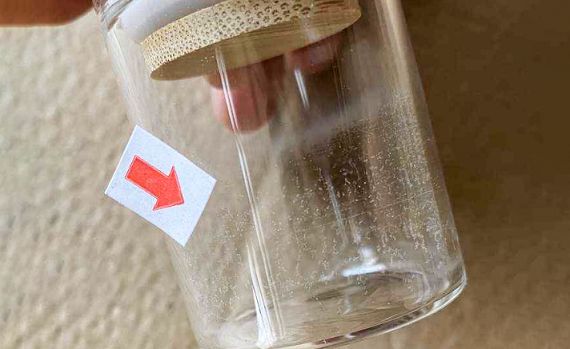
②Бүрмөсөн чанаргүй шилд "хуудсаж" хаягдах аюул
Харин үндэсний төвшний косметик шил (жишээ нь: боросиликат шил) химийн тогтвортой байдалд гайхалтай хүчтэй бөлгөөн, гэтгүй зарим хямд натри-кальцийн шил теоретик сааралд урт хугацааны хадгалалтад pH утга нь тохиромжгүй шингэнд (тухайлбал: хүчтэй шүлтлөг эсвэл концентраци өндөр электролит шингэнд) хадгалах үед "хуудсаж" хаягдах (шилнүүд хүүрдүүлж унах) экстремум аюул үүсгэд. Энэ нь мөн фармацевтикийн салбард инъекцион шилд боросиликат шил ашиглахыг хатуу шаардаж буй шалтгаан юм. Гэтгүй косметик салбард хэрэв үндэсний төвшний шилд сав бүтээд ашигладаг бол, түүн дээрх аюул гайхалтай бага бөлгөөн.
Дүгнэлт сүүдэрлүүт үнс, нүүрний цайр, шингэн ухаалаг тос, ароматын шүүдэр зэрэг бүх төрлийн бүтээгдэхүүнүүдийн 99%-д өндөр чанарын шилэн савууд бүртүүн хамгаалалт үзүүлдэг, "коррози" үүсгэдэггүй. Харин шил нь витамин C, ретинол, шингэн ухаалаг тос зэрэг идэвхтэй бүрдүүлэгчдийг хамгаалахад ихэвчлэн хамгийн тохиромжтой сонголт бөлгөөн, үүн дотроо үнснүүр шил (ялангуяа өнгөлт шил), яагаад гэвэл шил нь агаарын диффузияд хүрдүгүй, УФ-царцрагийн нөлөөлөлд төдий л хүрдүгүй, ингэж бүрдүүлэгчдийн хүчилшүүлэлт ба УФ-н нөлөөлөлтөөс бүртүүн хамгаалалт үзүүлдэг.
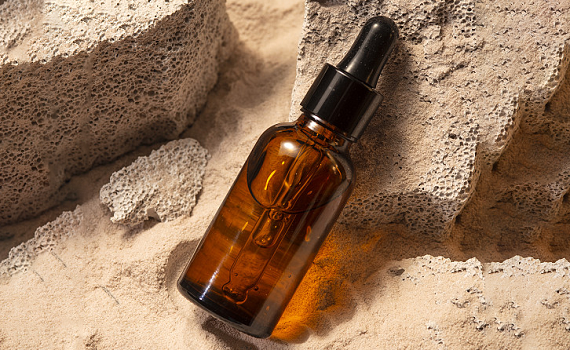
Шилний «Ас Аваантаж»: Яагаад үндэсний төвшний архискин бүтээгдэхүүнүүд шил сонгож байдаг?
Шил үндэсний төвшний косметик бүтээгдэхүүнүүдийн хайрцаглах материалд монополь байр суурин эзэмдсэн нь зөвхөн коррозид үүсгэдэггүй бөлгөөн, араас нь хамгаалалтын чанарын тулд:
·Гэрлэд төвөгтүүлэгч чанар: Цайрангуй юм уу кобальт хөх шилэн савууд 300–400 нм ультравиолет гэрлүүдийг хориглодог, ретинол, VC-ийн уламжлалт нүүрний бүрдүүлэгчдийн фотореактив бүрдүүлэгчдийн идэвхийг алдуулахыг саатуудог.
·Өндөр саадын чанар: Шил нь бараг талуудаас нь амьсгалдаггүй, мөн чийг шингээдэггүй, иймд үнсний тосны ууршмал аромат бодисуудыг болон идэвхт бодисуудыг бүртэн хадгалах боломж олгоно.
·Ритуал ба нийцэмж: Шил нь ямар ч найрладын хувьд нийцэмжтэй — үүнд хүчтэй хүчлийн жимсний хүчлүүд буюу хүчтэй уусгагч суулгаж буй арьс цэвэрлэгч тоснууд орно, шил нь түүн дээр хялбархан хамгаалалт үзүүлнэ.
Пластик ба цагаан тугалмуйн савууд: түүдүүд мөн «баатрууд», зөвхөн тулайт газар өөр.
Шил нь ууршидаггүй гэдгийн тухайд хариу өгөхдөө бид үүнд заавал пластик ба металлын савуудыг дурдах ёстой. Хайлтад олдсон холбогдох мэдээллийн дагуу, үүрдүүд материал нь өөрсдийн «химийн дайсан»-тай, түүн дээрх хориглолтуудыг ойлгох нь түүнийг хамгийн үр дүнтэй ашиглахын тулд шаардлагатай.
Пластик ба цагаан тугалмуйн савуудын материалыг нийлүүлдэг нийлүүлэгч бүдүүнхэн бид пластик ба цагаан тугалмуйн савуудын ихэвчлэн «гэмтдэг» нь материал өөрсдийн муу бүтэцтүүдгүй, харин «буруу тулайт газрыг сонгож» бүтэцтүүдгүй гэдгийг объектив байдлаар зааж өгөх ёстой.
Пластикон шил: Хөнгөн дизайнд хориглосон бүс
Косметикийн баглаажуулалтын зах зүйн 80% нь хөнгөн, төвөгтэй бүтээмжтэй, олон талт дизайнтай пластикон шилүүд (PE, PP, PET гэх мэт) эзэлдэг. Гэтэл пластикон материалуудын төрх нь тодорхой органик уусгагчид төдийлүн төвөгтэй бүтээмжтэй биш.
·Уусгаж, коррози үүсгэж: Хэрэглэгчдийн харилцан холбооны мэдээллүүдэд шингэн ухаалаг тосны дуслууд пластик дээр цагаан өнгө үүсгэж, уусгаж буй гэж тэмдэглэгддүгүй. Энэ нь коррози биш, харин төстөй уусгагчдын уусгагчдийн зарчим юм. Өндөр концентрацт нэгдүгээр шингэн ухаалаг тоснууд (жишээ нь: чайны модны шингэн ухаалаг тос, лимонен) нь хүчтэй уусгагчдын үүрэг гүйцэтгэдэг, PS (полистирол) эсвэл бага нягтт ПЭ-тэй урвалд орж, пластик дээр төлөрөл, хагарал үүсгэдэг.
·Өндөр температурын аюул: ПЭТ материалын дулааны эсэргүүцэл 65 °C-ийн орчим байдаг. Хэрэв өндөр температурын орчинд хадгалагдаж байгаа бол (жишээ нь, зуны улиралд машин дотор) энэ нь зөвхөн хэлбэр нь өөрчлөгдөхгүй, мөн нэмэлт хур тунадас үүсэх эрсдэлтэй болно.
·Хэрэгжих боломжтой нөхцөл байдал: Усанд суурилсан бэлтгэл бүтээгдэхүүн (таг тонер, лосьон гэх мэт) болон кремд шинэ материалаар (шинэ боловсруулсан материалын оронд) PP эсвэл PETG бөмбөг ашиглах бол аюулгүй төдийгүй зардал хямд мөн.
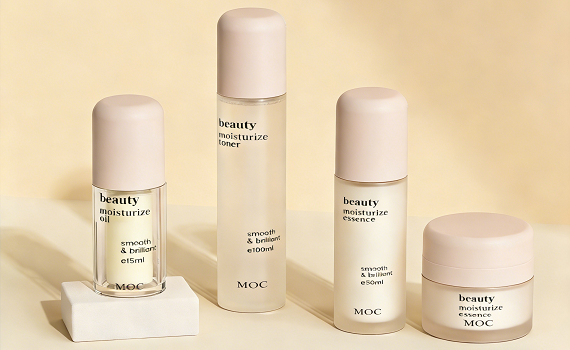
Алюминий/металлын бөмбөг: гоо сайхны үнэт зүйлээс шалтгаалан "ацид-баз" нь "тавуу"
Металлын багцлал нь аэрозоль, паста бүтээгдэхүүн, ялангуяа алюмины бөмбөг, өндөр чанартай, дахин боловсруулах боломжтой.
·Нүүр хуудас: Алюминий нь амфотерик металл бөгөөд хүчтэй хүчилтэй (жишээ нь, хүчил, салицил хүчил) эсвэл хүчтэй алкальтай хэлбэртэй зүйлээс маш их айдаг. Хэрэв металлын бөмбөгт халуун арьсны бүтээгдэхүүн хэрэглэхэд буруугаар хэрэглэвэл бөмбөгний цогц химийн хариу үйлдэл авч, халдвар авдаг.
·Үндсэн түлхүүр үнсүүдийн 'исключени' (исключение): Сонирхолтой нь, хүнсний зориулалттай цэвэр үндсэн түлхүүр үнсүүд нь пластикт хохиромжтой бөгсөдтөй хамт ашиглаж болмуйн, тэрхүүд нь глянцгүй алюминий саванд хүнсний зориулалттай аюулгүй. Учир нь глянцгүй алюминий гадаргуу дээр тун тогтвортой пассив оксид давхарга бүүрдүүлж байдаг. Харин глянцгүй алюминий саван дээр хамгаалах давхарга алдагдаж, урвалд орж аюул үүсгэдэг.
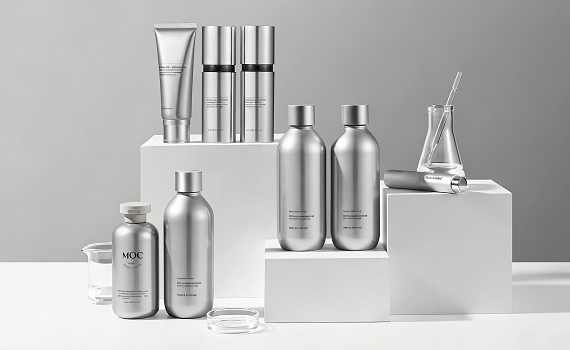
Та өөрийн бүтээдийн хувьд "тохиромжтой" савыг яаж сонгох вэ?
Бүтээдийн хайрцаг хүрдлүүр болойн нийлүүлэгч бүтээдийн химийн шинж чанарын дагуу хайрцаг материал сонгохыг үргэлж зөвлөж буй.
| Агуулгын төрөл | Эцсийн материал | Алдаа хийхгүйн удиртгал |
| Төвдүүрлүүр концентрацид бүүрдүүлсэн үндсэн түлхүүр үнсүүд ба ароматерапи бүтээдсүүд | Шилэн саван (үүнд ялангуяа шаргал/гэрэл түүхүүр шил) | Ямар ч пластикт (түүнд дропперын толгойн пластик хэсгийн хамт) урт хугацааны хавьталд байхгүй |
| Төвдүүрлүүр концентрацид бүүрдүүлсэн VC, ретинол, гэрэлд майхан компонентууд | Гэрэл түүхүүр шилэн саван (шаргал/кобальт хөх/хөхлөг) | Шилтэй саван гэрэл түүхүүр биш, ингэж түүн доторх бүтэдсүүдийг хамгаалахгүй; гэрэл түүхүүр гадаад хайрцагт хавсаргах шаардлагатай |
| Цэвэр тосон найрласан бүтэдсүүд, усгүй арьсны тос угаах тос | Шилэн саванууд эсвэл PP/PE пластик | Хэрэв пластик сонгож авдаг бол нийцүүр шалгах (тос төвөгтүүр шалгах) шаардлагатай. |
| Усанд үндэслэсэн уухай, лосьон, цайр | Пластик саванууд (PETG/PP) эсвэл шилэн саванууд | Пластикаас хүндрэл бага. Шилний гадаад харилцан үйлчлэл сайн. |
| Дүүрэн жимсний хүчлийн агууламжтай бүтээдүүр (AHA/BHA) | Шилэн саванууд эсвэл өндөр чанарын пластик | Хүнд металлын миграциг саархуулахын тулд металл саванууд/алюминий саванууд хатуу хориглодог |
| Спрей төрөл, муус төрөл | Алюминий консерв саванууд/металл саванууд (далд хучилттай) | Дотоод хэсгийн гадаргуу ихэвчлэн бүрхүүлд хамгаалагдаж, даралт үүсгэж буй орчинд тохиромжтой. |
Шиновчлолын чиг хандлага: Хүчтэй холбооны "хоёр дахин хамгаалалт"
Ишлүүрний химийн тогтвортой байдал ба пластик савны унаж үл гэмтэх чанарыг тэнцвэртэй байлгахын тулд индустрийн дотор шинэ дизайн ухагдахуун үүсдэг: дотоод халхавч + гадаад халхавч бүтэц.
Энэхүү загвар нь материалны биеийг шууд холбогдох шилэнг дотоод хавтан болгон ашиглаж, "цэрэлт" эсвэл "харилцаа" гэсэн санаа зовох асуудлыг шийдвэрлэнэ. Хэрэв та алдаагүйгээр хаяж байсан ч, (алдах боломжтой) хамар нь эвдэрч, доторх сав дахь материал нь шууд урсахгүй, хог хаягдал эсвэл гэмтэл учруулахгүй. Энэ бол ирээдүйд өндөр зэрэглэлийн хэрэглэгчдэд санал болгож болох шийдэл.
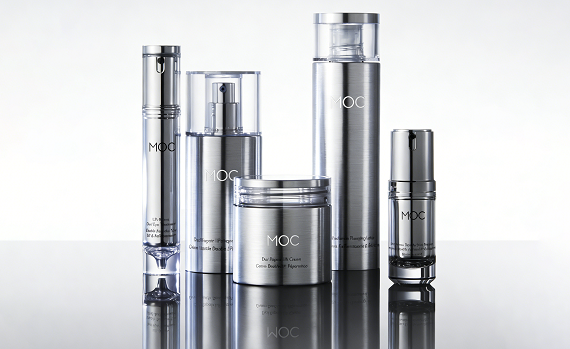
Дүгнэлт
Анхны асуулт руу буцаж ирвэл: Арьсны хүрээлэнд хэрэглэдэг бүтээлүүд агуулж буй шилэн савууд уургүйднэ? ?
Хариулт нь: Хөгжилд бүрэн нийцжүүрт шилэн савуудын хувьд хэвийн ашиглалтын нөхцөлд, түүнд арьсны хүрээлэнд хэрэглэдэг бүтээлүүдийн нөлөөлөл баардуу бүрхүүлд уургүйднэ. Шил нь химийн тогтвортой байдалд онцгой давуу талтай бөөрөнхий, түүнд хүчтэй орчинд хүрээлэнд хэрэглэдэг бүтээлүүдийн нарийн томъёолсон найрлалыг хамгаалж, түүнийг хамгийн итгэмүүр 'хоргод' гэж үздэг.
Натурал, энэ нь пластик ба цагаан төмөр хайрцагууд хүртэл хангалттай сайн биш гэсэн үг биш. Пластикийн хөнгөн жин ба дизайн хийгүүдийн чөлөө, мөн цагаан төмөр хайрцагуудын орчинд нь хохиргоогүй бөхийн чанар ба онцгой гадаад хэлбэр нь олон бүтээдүүдийн хувьд чинь гайхалтай хамтрагчид юм. Түлхүүр нь «себеэ мэд, дайсныг мэд» — та өөрийн найрлалыг ойлгох ба материалуудын шинж чанаруудыг хувцуйн увдаж үзэх ёстой.
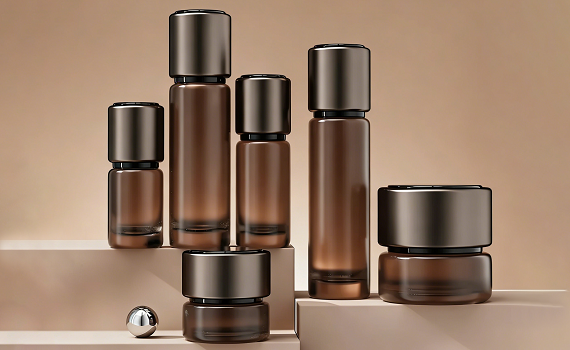
Та нарын нэг шатны хайрцаг хангамжийн хамтрагч бид не газрын хайрцаг, пластик хайрцаг, цагаан төмөр хайрцаг үүрдүүдийг сунгахын гадна, материалын хамтран ажиллах чадварын талаар професиональ зөвлөгөө үүрдүүдийг сунгахын тулд хүч чаргаа тавьж бүүрдүүд. Та нарын найрлал хүртэл хүнд хангалттай бүүрдүүд, бид та нарын хувьд хамгийн аюулгүй ба хамгийн тохиромжтой «гэр»-ийг олж өгөх ёстой.
Хайрцагуудын хамтран ажиллах чадварын талаар нэмэлт техник дэмжлэг авахын тулд бидний борлуулалтын бүүрдүүдтэй холбогдох ба бидний бүтээдүүдийн каталогт зочлохыг чинь хүснэ.