
 EN
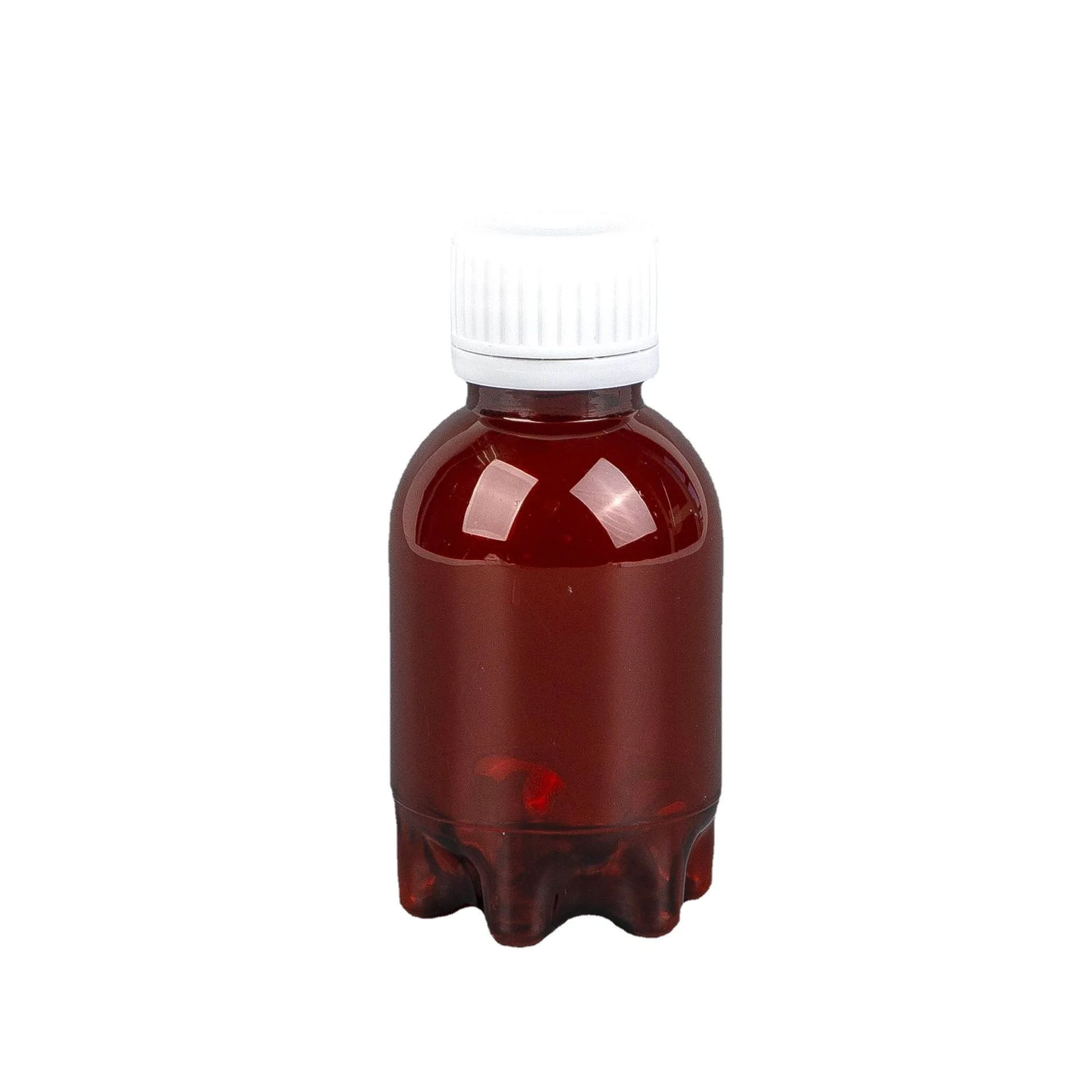
In the evolving landscape of packaging, understanding the differences between recycled plastic bottles and virgin plastic bottles is essential for making informed purchasing decisions. B2B buyers, including purchasing managers and product developers, often grapple with concerns regarding sustainability, cost, and performance. This article will clarify the key differences between these two types of plastic bottles, helping professionals navigate their options and choose the right materials for their projects.
Key Differences Between Recycled and Virgin Plastic Bottles
Recycled plastic bottles, made from post-consumer materials, often offer an eco-friendly alternative to their virgin counterparts, which are produced from new, raw materials. The primary difference lies in their source and production processes.
Source of Materials: Recycled bottles are derived from used plastics that have been collected, processed, and reformed into new products. Virgin plastic bottles, on the other hand, utilize entirely new plastic resin, which typically involves more energy-intensive processes and contributes to environmental depletion.
Performance Characteristics: Virgin plastic tends to have superior clarity, strength, and consistency, making it suitable for applications where aesthetics and performance are critical. Recycled plastics can vary in quality, depending on the source of the recycled material and the processing methods used. This variability can occasionally result in lower physical properties, such as impact resistance or barrier capabilities.
Cost Considerations: While recycled plastic bottle can be less expensive due to lower raw material costs, pricing can fluctuate based on market demand and availability of recycled materials. Virgin plastics generally have more stable pricing but can be more expensive due to the extraction and processing of raw materials.
Environmental Impact: The production of recycled plastic bottles typically results in a lower carbon footprint compared to virgin plastic bottles. Utilizing recycled materials helps reduce waste and conserve natural resources, aligning with many companies' sustainability goals.
How to Choose Between Recycled and Virgin Plastic for Your Projects
Choosing between recycled and virgin plastic bottles should involve a thorough assessment of several factors:
Application Requirements: Consider the intended use of the bottles. If the product will be subjected to rigorous handling or needs to maintain a high level of barrier protection (e. g., for liquids or sensitive formulations), virgin plastic may be the better choice. Conversely, if the application is less demanding, recycled plastic can provide a sufficient solution.
Regulatory Compliance: Depending on the industry, certain regulations may dictate the type of materials that can be used. For instance, food and beverage packaging often have stricter requirements for material safety. Ensure you verify compliance with relevant standards when selecting materials.
Sustainability Goals: If your company prioritizes sustainability, opting for recycled plastic bottles can enhance your brand image. Evaluate how the choice aligns with your corporate responsibility initiatives and the expectations of your customers.
Cost Constraints: Analyze your budgetary limitations. While recycled options might offer cost savings, fluctuations in availability can impact pricing. Conducting a cost-benefit analysis will help determine the most economically viable choice.
Evaluating the Quality of Recycled Plastic Bottles vs. Virgin Options
When assessing the quality of reusable plastic bottles compared to virgin options, several key factors should be considered:
Material Composition: Understanding the source and processing method of recycled materials is crucial. Bottles made from high-quality recycled PET (rPET) generally perform better than those made from lower-grade materials. Buyers should request documentation regarding the recycled content and any quality certifications.
Testing and Certification: Quality control processes are paramount. Look for suppliers that perform rigorous testing on their products, including stress tests for durability, barrier performance, and chemical resistance. Certifications from recognized standards can also provide assurance of quality.
Sample Approval: Before committing to a large order, it is advisable to request samples of both recycled and virgin plastic bottles. Evaluate them under real-world conditions to ensure they meet your performance requirements and expectations.
Batch Consistency: Recycled materials can vary between batches due to differences in feedstock. Buyers should confirm that the supplier can maintain consistent quality across production runs, especially for larger or repeat orders.
Applications for Recycled Plastic Bottles in Manufacturing and Beyond
Recycled plastic bottles find their place in various applications, particularly where sustainability is a priority. Some notable uses include:
Cosmetics and Personal Care: Many cosmetic brands are shifting towards recycled packaging to appeal to environmentally conscious consumers. Recycled PET bottles can deliver aesthetic appeal while supporting sustainable practices.
Food and Beverage: With advancements in processing technologies, recycled plastics are increasingly used in food-safe applications, particularly in non-carbonated beverages and condiments. Compliance with FDA regulations for food contact is essential for this sector.
Household Products: Recycled bottles are commonly used for packaging household cleaners, detergents, and other non-food items, making them a popular choice for eco-friendly brands.
Industrial Uses: In less visible applications, such as secondary packaging or storage containers, recycled plastic can be a cost-effective solution with a lower environmental impact.
Installation Guidelines for Recycled vs. Virgin Plastic Bottles
When installing or using biodegradable plastic bottles made from recycled versus virgin plastics, specific guidelines should be followed to ensure optimal performance:
Temperature and Environment: Both types of bottles should be stored and used within recommended temperature ranges to prevent deformation or degradation. Recycled plastics may have slightly lower temperature tolerances due to processing variability, so confirm specifications with your supplier.
Sealing and Compatibility: Ensure that closures and sealing mechanisms are appropriate for the type of plastic used. Some recycled materials may have different sealing characteristics than virgin plastics, which can affect the integrity of the package.
Handling and Storage: Both recycled and virgin bottles require careful handling to avoid damage during transportation and storage. Implementing proper handling procedures can significantly reduce the risk of breakage or contamination.
Maintenance Considerations: Regular inspections of bottles, especially in industrial applications, can help identify potential issues early. Check for signs of wear or deformation, and ensure that bottles are clean and free of contaminants before use.
By understanding the key differences and practical considerations for recycled and virgin plastic bottles, B2B buyers can make informed decisions that align with their project requirements, budget, and sustainability goals.
Table of Contents
- Key Differences Between Recycled and Virgin Plastic Bottles
- How to Choose Between Recycled and Virgin Plastic for Your Projects
- Evaluating the Quality of Recycled Plastic Bottles vs. Virgin Options
- Applications for Recycled Plastic Bottles in Manufacturing and Beyond
- Installation Guidelines for Recycled vs. Virgin Plastic Bottles