
 EN
EN

Packaging vs. Labeling: What’s the Difference and Why It Matters for Skincare Bottle Sourcing
In the skincare and personal care industry, the terms "packaging" and "label" are often used interchangeably. Many start-up brands and even mature buyers may ask vaguely when communicating with packaging manufacturers, "Can you do the packaging and labeling for this bottle.In fact, although packaging and labeling are closely related, they have essential differences in functionality, materials, regulations, and production processes.
As a manufacturer specializing in skincare bottle packaging for many years, we specialize in plastic and glass bottles, and provide matching solutions for lids, pump heads, and labels. We believe that helping customers clarify these two concepts can not only improve communication efficiency, but also avoid cost losses caused by compliance or design issues before product launch.
This article will provide you with a detailed breakdown: What is the difference between packaging and labeling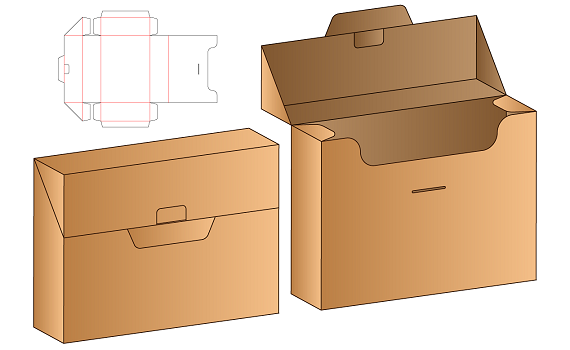 The fundamental difference in definition: container vs. information carrier
What is packaging?
Packaging refers to the physical container used for protecting, containing, transporting, and displaying products. For skincare products, packaging is divided into three levels:
·Primary packaging (direct contact): such as plastic bottles, glass bottles, cream cans, vacuum bottles, dropper bottles, etc., which come into direct contact with the material.
·Secondary packaging (external protection): such as paper boxes, shrink wrap, middle boxes, etc.
·Third level packaging (transportation packaging): such as outer boxes and pallets.
In our factory, we mainly produce primary packaging, which includes various bottles and cans that come into direct contact with skincare ingredients. The materials used include plastic (PET, PP, PE, acrylic, etc.) and glass (soda lime glass, high whiteness material).
What is a label?
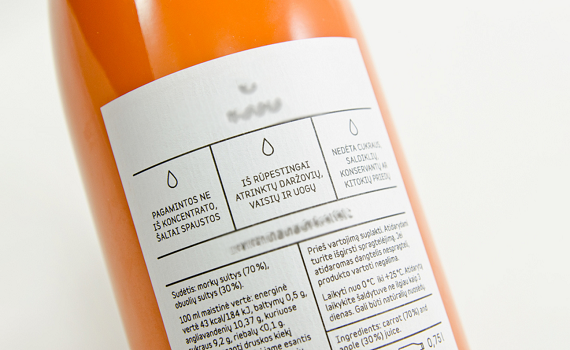
Labels refer to graphics, text, or symbols attached to product packaging used to convey product information, brand identity, usage instructions, or promotional content. Labels can be stickers, silk screen printing, heat transfer printing, labels, or even ink directly printed on the bottle body.
Simply put:
·Packaging is a container for holding things (bottles, cans, lids).
·The label is "information written on the container" (brand name, ingredient list, barcode).
Core differences in functional dimensions
From a functional perspective, the goals of packaging and labeling are completely different. The core purpose of packaging is physical protection and convenience of use - it should prevent material leakage, block air and moisture, resist ultraviolet rays, and make consumers feel smooth when pressing or pouring the pump head. The core purpose of labeling is to convey information and comply - it tells consumers what product it is, who produced it, what ingredients are inside, how to use it, and when the expiration date is.
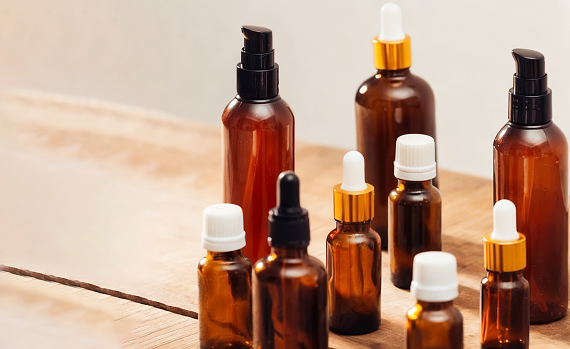
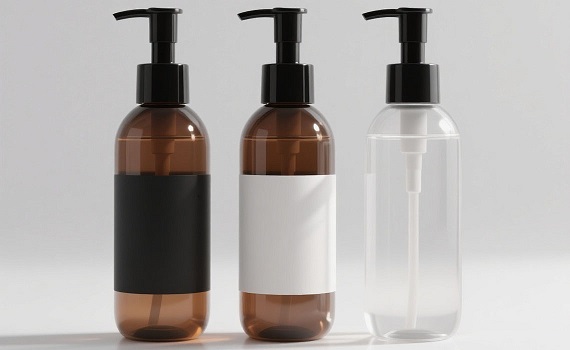
Specifically, the role of packaging is "container and tool", such as a 30ml amber glass bottle with a black pump head, which belongs to packaging. It is responsible for protecting the essential oils inside from UV decomposition and accurately metering them through the pump head. The role of the label is "instruction manual and billboard", such as the self-adhesive sticker printed with "lavender soothing essence oil" and ingredient list on the bottle, which is responsible for conveying the brand story and regulatory requirements.
On the consumer side, packaging affects the user experience (feel, smoothness of pressing, transparency of the bottle), while labeling affects purchasing decisions (design aesthetics, persuasive ingredients, clarity of instructions). From a lifecycle perspective, packaging starts from filling and ends when the product is used up (which may later be discarded or recycled), while labels need to maintain information readability throughout use, so they must be resistant to friction, water, and oil.
For example:
You purchase a 30ml amber glass bottle with a black pump head - these two items belong to the packaging. The sticker on the bottle with "lavender soothing essence oil" and ingredient list is a label.
Why is it necessary to strictly distinguish in the skincare industry?
Regulatory compliance (FDA/EU/FDA)
In major global skincare markets such as the US FDA, EU CPNP, and China NMPA, labeling requirements are far more stringent than packaging.
·The label must include: product name, net content, ingredient list (INCI name), instructions for use, warning language, batch number, shelf life, and responsible party information.
·The packaging mainly focuses on whether food contact grade materials are used, whether heavy metals exceed the standard, and whether there is a tear off seal structure.
The risk is that if we only focus on the appearance of the bottle and ignore whether the label area is sufficient to accommodate the font height required by regulations (such as the EU's requirement for "ml" font height), the product may be detained or taken down by customs. As a manufacturer, we proactively remind customers when providing bottle types: what is the allowable labeling area for bottles of different capacities, and whether it meets the regulatory requirements of the target market.
Different ownership of production processes
When communicating with factories like ours, please clarify:
·We are responsible for packaging production: from mold development to injection molding/blow molding/glass melting, to the matching assembly of bottle caps and pump heads.
·Label production is usually completed by professional printing factories, but we can also recommend long-term label suppliers for you, or directly help you purchase labels and complete labeling (if the order quantity is sufficient).
Many customers think that the bottles come with printing when we leave the factory, but in fact, standard bare bottles do not come with any labels (except for silk screen printing or in mold labeling). If full screen printing of the logo is required, it is a secondary processing process in our factory and requires a separate quotation and occupies the production capacity of the screen printing line.
Cost Structure and Minimum Order Quantity (MOQ)
·Packaging (bottles/cans): MOQ is usually measured in tens of thousands (such as 30000 plastic bottles), as mold and start-up costs need to be shared. The mold fee is a one-time upfront investment, usually borne by the customer or shared equally.
·Tag: MOQ is relatively flexible, printing can be done with just a few thousand sheets. However, due to printing techniques such as hot stamping, UV, embossing, and silver stamping, the unit price fluctuates greatly. The minimum print run for high-end labels (such as hot stamping and embossing) may require over 50000.
If you need a glass bottle with a full screen printed logo (i.e. printing label content directly on the glass surface), this actually belongs to the "label packaging process", and the minimum order quantity is usually over 50000 because it requires opening a screen printing screen, customizing fixtures, and has high losses. If you only need to stick one self-adhesive label, the minimum order quantity is 5000 sheets. Understanding this difference can help you effectively control your budget.
The correspondence between material and craftsmanship
In our product line (plastic bottles, glass bottles, plastic cans, glass cans), different container materials are adapted to different labeling/marking methods, each with its own advantages and disadvantages:
·PET plastic bottles (most commonly transparent or colored PET bottles): They can be labeled with self-adhesive labels, labeled with full body shrink film, or directly silk screened with logos on the bottle body. If you pursue a fully transparent appearance without labels, labeling or transparent stickers are good choices.
·Glass bottles (sodium calcium glass or high white material): Common labeling methods include silk screen printing (ink directly printed on the glass), acid etching (high-end frosted effect), and adhesive labels. Acid etched labels are of high grade but expensive in cost; Adhesive labels are cost-effective and easy to replace.
·Plastic cans/cream cans (commonly made of PP or acrylic materials): particularly suitable for in mold labeling (IML) or hot stamping labels. In mold labeling is the process of integrating the label with the can body during injection molding. The label is scratch resistant and completely waterproof, making it very suitable for use in humid environments such as bathrooms. Our factory has a mature in mold labeling production line.
·Glass jar (thick walled glass): usually paired with sticker labels or wrap around labels (labels that wrap around the bottle). Since glass jars are mostly used for face cream, ointment and other products, it is recommended to use waterproof self-adhesive materials to avoid curling in wet environments.
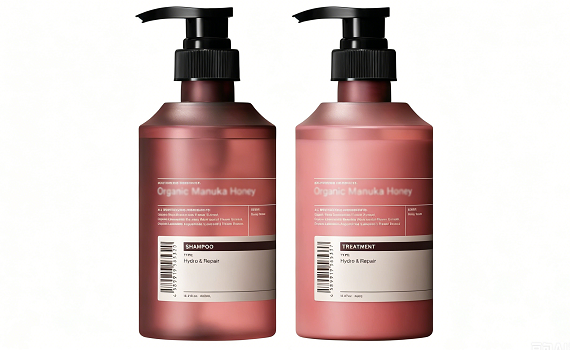
Special reminder: For toiletries (such as shower gel bottles), plastic bottles often use heat shrink film labels. This type of label wraps around the bottle body, providing both anti slip and structural reinforcement (which can be considered as part of the packaging), as well as the function of printing all regulatory information on the label. This is a typical example of the integration of packaging and labeling functions.
A real-life case: How communication errors can lead to delayed delivery times?
Scenario:
A brand wants to customize a 100ml lotion bottle. The inquiry form sent by the other party reads: "I need a complete set of packaging and labels, with my brand flower paper printed all over the bottle
Misunderstanding occurs:
Our sales understand it as "ordinary transparent bottles+external adhesive labels (customers can label themselves)", so we quoted the price for the bare bottle. But the brand understands that "the bottle is directly silk screened with full patterns and logos when it leaves the factory".
Consequence:
After receiving the naked bottle, the customer found that they could not perfectly position the label themselves (without a positioning line), and the bottle body was covered with adhesive marks after tearing off the film. In the end, we had to transport the bottles back to our factory for screen printing, which took 45 days and doubled the air freight cost.
The correct approach:
Before making the sample, please clearly inform your factory:
·Packaging section: bottle type, capacity, material, pump head type.
·Label section: Printing method (screen printing/labeling/hot stamping/shrink film), color quantity, labeling area (width x height), whether alcohol/water resistance is required.
·Should our factory handle the labeling or silk screen printing, or should you find a label factory to handle it yourself.
Summary: A complete comparison between packaging and labeling
To help you quickly review, the following text summarizes all the differences between packaging and labeling:
·Different definitions: Packaging is a physical container that holds a product; A label is an information graphic attached to a container.
·Typical representatives of our factory's products include packaging such as PET plastic bottles, glass dropper bottles, PP cream cans, acrylic bottles, etc; The labels include silk screen logos, UV stickers, heat shrink film, in mold labels, etc. (some labels are completed by our factory's post-processing, while others are coordinated by the label factory).
·Different production departments: Packaging is produced by injection molding, blow molding, or glass kilns; The label is completed through printing, coating, and die-cutting processes.
·The emphasis of regulations varies: packaging focuses on material safety, chemical resistance, and sealing; Tags focus on ingredient authenticity, language compliance, and font size.
·Different design lifetimes: Packaging typically accompanies the entire product lifecycle; Labels need to be resistant to friction, water, oil, and maintain readability of information.
·The cost of replacement varies: the cost of replacing packaging is high (which may require reopening the mold or changing the bottle type); The cost of replacing labels is low (reprinting is sufficient).
·Common misconception: Some people believe that the bottle itself must contain all printed information (in fact, many bottles are shipped naked); Some people also believe that labels can be freely attached to any bottle (in fact, it is necessary to test the curvature of the bottle body and the adhesion of the label, and we can provide relevant tests).
At the end: What can we do for you?
As a factory that directly produces skincare packaging bottles, we have:
·Blow molding/injection molding/glass bottle production line: from mold design to mass production, one step at a time.
·Post processing capabilities such as silk screen printing, hot stamping, and in mold labeling: allowing packaging and labeling to be completed step by step in one factory, reducing your communication costs.
·Professional technical support: helping you determine which bottle type is suitable for silk screen printing, which one must be labeled, and whether the label area meets export compliance requirements.
You don't need to become a packaging expert, but you need to choose a responsible production factory.
If you are looking for skincare packaging bottles (plastic/glass) or have any questions about label selection, please feel free to contact us at any time. From bottle by bottle to label attachment, we ensure that your products smoothly move from the factory to global shelves.