
 EN
EN

The Expanding World of Hot Filling in Cosmetics
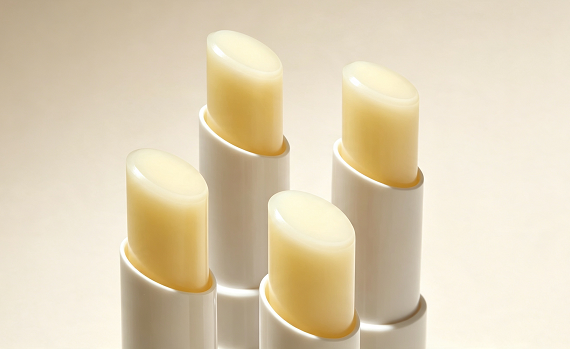
When people hear “hot filling,” they usually picture a classic lipstick or a deodorant stick. But hot filling has grown far beyond traditional stick formats. Today, it is used across sunscreen sticks, solid serums, cleansing balms, hair pomades, massage bars, and more.
For brands, the formula is only half the story. The packaging must survive high filling temperatures, protect the product, and still look premium on the shelf. As a factory specializing in cosmetic packaging, we see hot filling as one of the most demanding processes in skincare and personal care packaging.
What Is Hot Filling in Cosmetics?
Hot filling means heating a formula until it becomes liquid, then pouring it into packaging while it is still hot. As the product cools, it solidifies into its final shape. This is common for wax-based, butter-based, or polymer-based formulas.
Typical hot fill temperatures range from around 60°C to 95°C, depending on the product. This creates high demands on containers, closures, and sealing systems.
Beyond the Classic Stick
Hot filling now covers many product types beyond lipstick and deodorant:
·Sunscreen sticks and SPF balms
·Solid serums and moisturizer bars
·Cleansing balms in jars
·Hair wax and styling sticks
·Cuticle balms and foot repair bars
·Solid perfumes
·Massage bars and body butter sticks
Each format has different packaging needs. A sunscreen stick may need UV protection and a smooth twist-up mechanism. A cleansing balm jar needs a wide mouth, an airtight seal, and easy scooping. A solid serum stick needs precise filling, clean lines, and a premium feel.
What Hot Filling Requires from Packaging
Not all packaging can handle hot filling. Here are the key factors we focus on in our factory.
1. Heat Resistance
The container must not warp, shrink, or deform during filling. Polypropylene (PP) is often a strong choice because it can withstand higher temperatures. Some PET and PETG materials are suitable for lower-temperature hot filling, while glass offers excellent heat resistance for premium jars and bottles.
We test containers under real filling conditions to ensure they hold their shape and dimensions.
2. Dimensional Stability
Even slight warping can ruin thread fit, cap alignment, or stick mechanism performance. After cooling, the container must return to its original dimensions. This is critical for stick tubes, twist mechanisms, and jars with tight thread closures.
3. Formula Compatibility
Hot-filled formulas often contain oils, waxes, butters, UV filters, and fragrance components. The packaging material must not react, crack, or absorb these ingredients. We work with PP, PE, PETG, and glass to match the right material to each formula.
4. Sealing and Moisture Protection
Many hot-filled products are anhydrous, meaning they contain no water. This makes them sensitive to moisture and contamination. A reliable liner, gasket, or tight thread closure is essential. For jars, we recommend inner liners and secure caps. For stick packaging, the mechanism should close cleanly without gaps.
5. Aesthetic Finish
Hot-filled products often sit in the premium skincare and personal care category. The packaging should look as good as the product inside. Thick walls, soft-touch coatings, screen printing, hot stamping, and custom colors can all elevate the final product.
Common Packaging Formats We Support
Our factory produces a wide range of packaging suitable for hot filling:
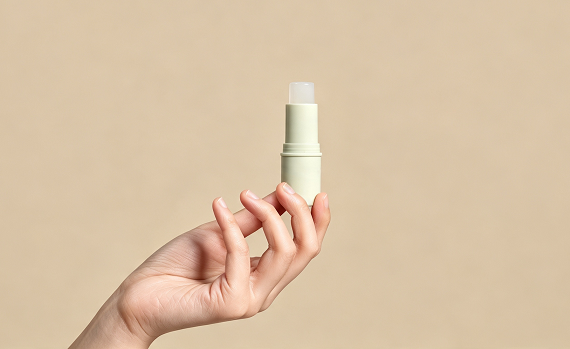
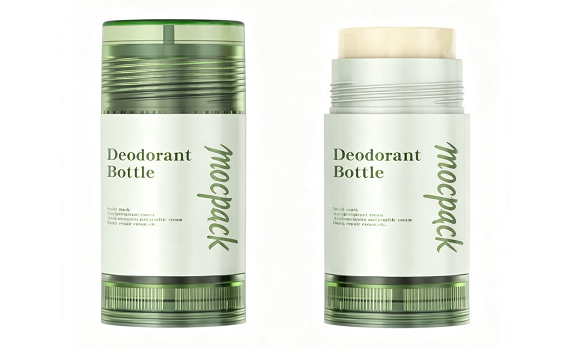
·PP and PETG stick tubes for sunscreen, deodorant, and solid serums
·Wide-mouth jars in PP, PETG, and glass for cleansing balms and body butters
·Twist-up mechanisms with smooth, stable operation
·Roll-on and oval stick formats
·Custom bottles and jars with heat-resistant thread finishes
·Glass bottles and jars for premium hot-filled treatments
We support both standard sizes and custom development, including tube diameters, jar capacities, cap styles, and decoration.
Why This Matters for Your Brand
Choosing the wrong packaging for hot filling can lead to warped containers, leaking products, jammed mechanisms, or cracked jars. These failures are expensive and damaging to a brand’s reputation.
The right packaging does more than survive the filling line. It protects the formula, improves the consumer experience, and strengthens the brand’s visual identity.
Final Thoughts
Hot filling is no longer just about classic stick manufacturing. It is a versatile process used across modern skincare, sun care, and personal care. With the right packaging partner and the right material choices, brands can launch hot-filled products that look premium, perform reliably, and reach consumers in perfect condition.