
 EN
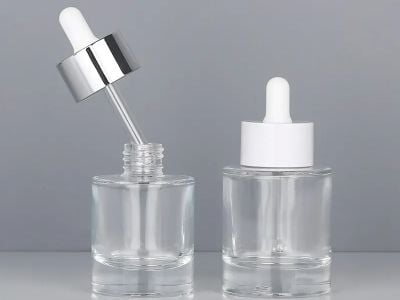
Custom glass droppers are essential components in cosmetic packaging, providing precise dispensing for serums, oils, and other liquid products. This buyer's guide to custom glass droppers for cosmetic packaging aims to address key concerns for B2B buyers, such as material selection, cost factors, and quality assurance. By exploring practical insights and considerations, this article will help purchasing managers, product managers, and other professionals make informed decisions when sourcing these specialized components
What to Consider When Choosing Custom Glass Droppers for Cosmetics
When selecting custom glass droppers for cosmetic packaging, several critical factors need to be evaluated. First, consider the type of glass used. High-quality borosilicate glass or soda-lime glass can provide different levels of chemical resistance and clarity, which can affect product visibility and shelf life. The choice of glass will depend on the product's specific formulation and environmental exposure
Next, evaluate the dropper's design, including the length and diameter of the dropper neck, as well as the size of the opening. These dimensions directly influence the dropper’s performance and the dispensing accuracy of the liquid. For instance, a narrower opening may reduce the flow rate, which could be problematic for thicker formulations
Another important consideration is the compatibility of the dropper with the bottle closure. Ensure that the dropper fits securely into the bottle neck to prevent leaks and maintain product integrity during shipping and handling. It’s also essential to confirm the dropper's sealing mechanism, as this affects both performance and consumer experience
Finally, consider customization options, such as color, branding, and labeling. Custom glass droppers can enhance brand recognition and aesthetic appeal, which are vital in the competitive cosmetics market
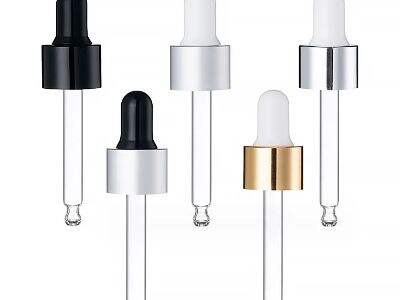
Cost Factors to Keep in Mind for Wholesale Glass Droppers
Cost is a significant factor when sourcing custom glass droppers. Several elements contribute to the overall price, including material selection, manufacturing processes, and order volume. For instance, borosilicate glass tends to be more expensive due to its superior thermal and chemical resistance compared to standard soda-lime glass
Manufacturing techniques also play a role in cost. Injection molding and blow molding are common methods for producing glass droppers, each with different cost implications. Blow molding typically allows for more complex shapes but may involve higher tooling costs. Understanding your specific needs and balancing them with budget constraints is crucial
Order volume can significantly impact unit pricing. Many manufacturers, including Hangzhou Mochen Packaging Co., Ltd, have minimum order quantities (MOQs) that must be met to benefit from wholesale pricing. Larger orders can yield better pricing and lower shipping costs per unit, making them more cost-effective in the long run
Additionally, consider the total cost of ownership, which includes shipping, potential import duties, and storage costs. A lower initial price may lead to higher overall costs if the dropper has quality issues that affect product returns or customer satisfaction
Common Installation Challenges for Custom Glass Droppers and Solutions
Installing custom glass droppers can present challenges, particularly when ensuring a secure fit and proper function. One common issue is misalignment between the dropper and the bottle neck, which can cause leakage or inefficient dispensing. To mitigate this, it’s advisable to conduct thorough testing during the sample approval phase. Checking the dropper's fit with the actual bottles before mass production can prevent costly errors
Another challenge is ensuring that the dropper mechanism functions smoothly, especially with thicker formulations. Buyers should test the dropper's performance under real-world conditions to ensure it meets the required dispensing specifications. If issues arise, manufacturers can adjust the design or production process to improve performance
Furthermore, consider the impact of temperature fluctuations during shipping and storage. Glass is sensitive to thermal shock, which can cause breakage. Packaging solutions that provide adequate cushioning can help protect the droppers during transit
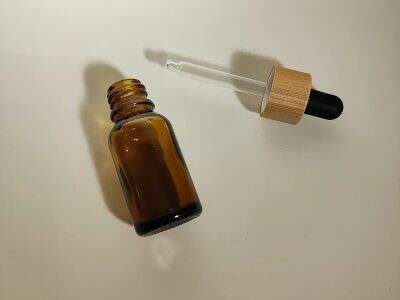
Applications of Custom Glass Droppers in the Cosmetic Industry
Custom glass droppers are widely used in various cosmetic applications. They are ideal for dispensing serums, essential oils, and other liquid formulations that require precise measurement. In skincare, for instance, many high-end brands utilize glass droppers for facial oils, ensuring accurate dosages while enhancing the product's luxury appeal
Moreover, glass droppers are increasingly favored for their environmentally friendly properties. Unlike plastic alternatives, glass is recyclable and does not leach harmful chemicals into the product. This aspect is particularly important for brands promoting sustainability, as consumers are more conscious of environmental impact
In addition to skincare, glass droppers are also suitable for makeup products, such as liquid highlighters and foundations. Their ability to deliver controlled amounts makes them a popular choice for brands looking to provide a premium user experience
How to Ensure Consistent Quality in Custom Glass Dropper Production
Maintaining consistent quality in the production of custom glass droppers is essential for brand integrity and customer satisfaction. Start by selecting a reliable manufacturer with a proven track record in quality assurance. Hangzhou Mochen Packaging Co., Ltd emphasizes stable quality control processes, which should include inspections at various stages of production
Quality control measures should encompass raw material verification, in-process inspections, and final product testing. Buyers should request detailed specifications, including dimensions, material properties, and performance standards, to align expectations with manufacturing capabilities
It's also beneficial to establish a robust communication channel with the supplier. Regular updates and discussions about production schedules, potential issues, and adjustments can help prevent misunderstandings and ensure that the final product meets the required standards
Finally, conduct sample testing before mass production. This should include functionality tests, visual inspections, and compatibility checks with the intended packaging. By verifying that samples meet specifications, buyers can reduce the risk of quality issues in the final product run, ensuring a reliable supply of custom glass droppers
Table of Contents
- What to Consider When Choosing Custom Glass Droppers for Cosmetics
- Cost Factors to Keep in Mind for Wholesale Glass Droppers
- Common Installation Challenges for Custom Glass Droppers and Solutions
- Applications of Custom Glass Droppers in the Cosmetic Industry
- How to Ensure Consistent Quality in Custom Glass Dropper Production