
 EN
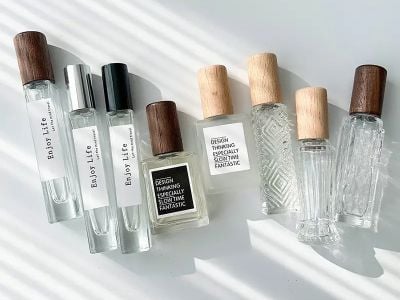
When it comes to packaging perfume, one of the most crucial decisions that manufacturers face is selecting between glass and plastic perfume bottles. Each material offers distinct advantages and drawbacks that can significantly impact the product’s marketability, cost, and usability. This article, focusing on the topic of Glass vs. Plastic Perfume Bottles: Which Packaging Works Best for Your Product?, aims to provide key insights for B2B buyers—such as purchasing managers and product managers—who are considering which bottle type best meets their specific needs
Choosing Between Glass and Plastic Perfume Bottles for Wholesale Orders
The choice between glass and plastic perfume bottles often hinges on several critical factors: product presentation, cost, durability, and consumer preferences. Glass bottles are typically perceived as more luxurious and upscale, making them a popular choice for high-end fragrances. Their weight and texture can convey a sense of quality that appeals to consumers looking for premium products. However, glass is more fragile and can present challenges in shipping and handling, potentially increasing the total cost due to breakage
In contrast, plastic bottles offer a lightweight and shatter-resistant alternative that can reduce shipping costs and minimize breakage risk. They also allow for various designs and colors, which can enhance branding opportunities. For manufacturers, understanding the market segment they are targeting can help guide the decision. For example, if you are targeting a younger demographic or a market segment that values sustainability, eco-friendly plastic options like PET or PLA may be more suitable
Ultimately, the decision should align with the product’s branding strategy, target audience, and cost considerations
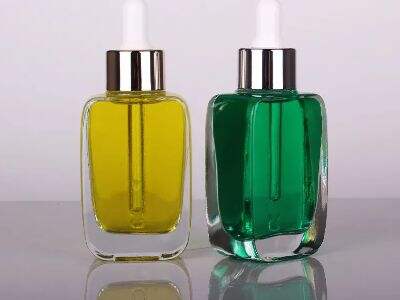
Key Specifications for Glass vs. Plastic Perfume Bottles Explained
When evaluating glass and plastic perfume bottles, several key specifications should be considered
Material Properties
Glass: Offers excellent barrier properties, ensuring that fragrances remain stable over time. It is also recyclable, which can appeal to environmentally-conscious consumers
Plastic: Varies significantly depending on the type (such as, PET, PE, or PLA). While many plastics can be designed to mimic the qualities of glass, they may not offer the same level of protection against environmental factors
Weight and Transportation
Glass: Heavier and more prone to breakage, increasing transportation costs and risks
Plastic: Lightweight and durable, leading to lower shipping costs and easier handling
Customization Capabilities
Glass: Limited in terms of color and shape; however, it can be embossed or printed with high-quality labels
Plastic: Highly customizable and can be produced in various shapes and colors, allowing for unique branding opportunities
Cost Considerations
Glass: Generally more expensive due to raw material costs and production processes
Plastic: Usually more cost-effective, especially for larger production runs
Understanding these specifications helps buyers determine which material aligns best with their product's requirements
Glass vs. Plastic Perfume Bottles for Importers
For importers, choosing between glass and plastic perfume bottles involves several logistical and regulatory considerations
Regulatory Compliance: Importers must ensure that the materials used comply with local regulations concerning safety and environmental impact. Glass bottles may require more stringent compliance due to their fragile nature and potential for breakage
Import Duties and Taxes: Glass products often incur higher import duties due to their higher value and weight compared to plastic. Importers should calculate potential costs to ensure they remain competitive in the market
Market Trends: Researching current consumer preferences in the target market can guide the decision. For instance, markets trending towards sustainability may favor glass or biodegradable plastic options
Supply Chain Considerations: Importers should consider the reliability of suppliers in terms of production capacity and lead times. A one-stop packaging provider like Hangzhou Mochen Packaging Co., Ltd., with experience in exporting to 70 countries, could simplify sourcing and ensure consistent quality
By focusing on these factors, importers can make informed decisions that align with their business strategies
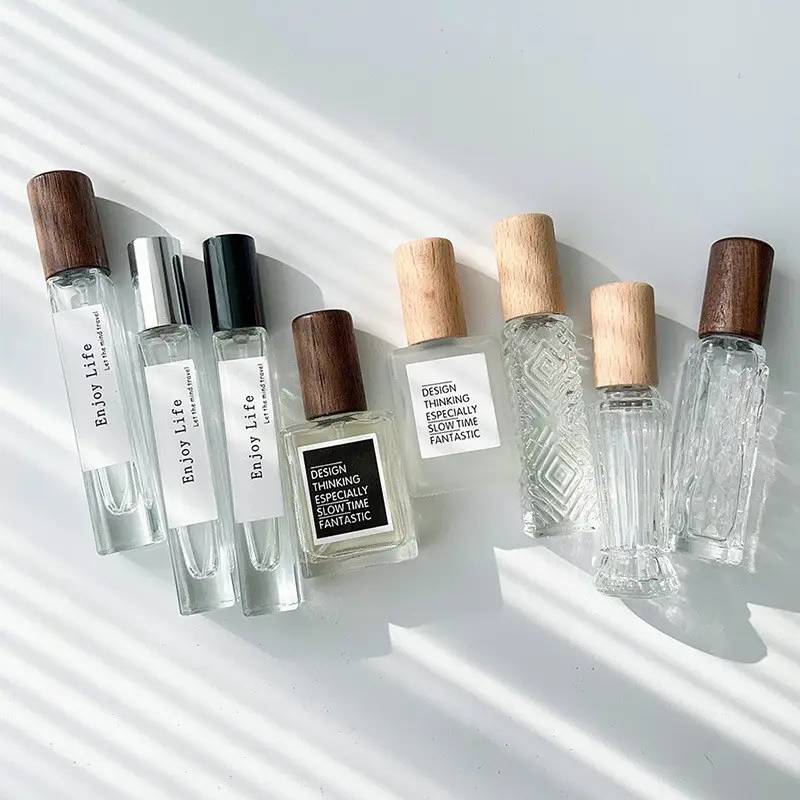
Applications of Glass and Plastic Bottles in the Fragrance Industry
Both glass and plastic bottles serve various applications in the fragrance industry
Glass Bottles: Ideal for premium fragrances and high-end markets. They are often used for perfumes that are marketed as luxury items due to their aesthetic appeal and ability to preserve fragrance integrity. Glass bottles are also commonly used for refillable options, appealing to eco-conscious consumers
Plastic Bottles: More versatile and cost-effective for mass-market products. They are widely used for body sprays and fragrances aimed at younger consumers or casual markets. Additionally, certain types of plastic can be designed to be biodegradable, aligning with sustainability trends
Understanding the specific application needs will help manufacturers choose the appropriate material that resonates with their target audience while meeting functional requirements
Expert Tips for Selecting the Right Perfume Bottle Material for Your Product
Choosing the right material for your perfume bottle is a multifaceted decision that can impact branding, consumer perception, and overall product success. Here are some expert tips for making the right choice
Assess Your Target Market: Understand who your consumers are and what they value. Luxury markets may prefer glass for its premium feel, while more budget-conscious consumers may favor the practicality of plastic
Evaluate Shelf Life Requirements: If your fragrance has a shorter shelf life, consider using glass, which offers superior barrier properties. For longer shelf life, certain plastics can also be effective if selected carefully
Consider Shipping and Handling: If your products will be shipped over long distances, plastic may reduce breakage and transportation costs. Be sure to factor in these logistics when making your decision
Plan for Customization: Determine how much customization you need for your branding. Plastics offer more flexibility in design, while glass can provide a more upscale appearance
Request Samples: Before committing to a large order, request samples to evaluate how the materials perform under actual conditions. This step can reveal potential issues that may arise during production or consumer use
By utilizing these tips, manufacturers and purchasing managers can make well-informed decisions that align with their product goals and market strategies
The choice between glass and plastic perfume bottles is not merely about aesthetic appeal or cost, it’s a strategic decision that can influence a product's success in the competitive fragrance market. Evaluating the key specifications, understanding the needs of importers, recognizing the applications in the fragrance industry, and applying expert tips will provide a comprehensive foundation for making the right choice
Table of Contents
- Choosing Between Glass and Plastic Perfume Bottles for Wholesale Orders
- Key Specifications for Glass vs. Plastic Perfume Bottles Explained
- Glass vs. Plastic Perfume Bottles for Importers
- Applications of Glass and Plastic Bottles in the Fragrance Industry
- Expert Tips for Selecting the Right Perfume Bottle Material for Your Product