
 EN
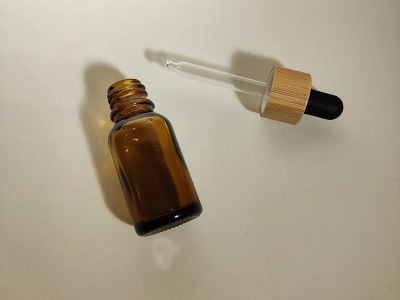
Dropper bottles are essential in various industries, including cosmetics, pharmaceuticals, and food, providing precise dispensing for liquids. However, many businesses encounter common dropper bottle packaging mistakes that can lead to costly errors and dissatisfaction among end-users. This article will address these common pitfalls and provide solutions to avoid them, helping purchasing managers and product managers make informed decisions when sourcing dropper bottles.
What to Avoid?
When sourcing dropper bottles, several mistakes can hinder product effectiveness and customer satisfaction. First, selecting the wrong material is a crucial error. For example, using a plastic that is not resistant to the liquid being stored can lead to leaching or degradation of both the bottle and the product. PET and HDPE are popular choices for their durability and chemical resistance, but it’s essential to assess compatibility with the intended contents.
Another mistake is failing to consider the closure compatibility. The glass dropper bottles mechanism must securely fit the bottle to prevent leakage and ensure proper dispensing. Choosing a dropper with an incompatible neck finish can result in significant operational issues.
Additionally, not validating the bottle's dimensions against equipment specifications can lead to problems during filling and packaging. A bottle that is too large or too small for the filling line can slow production and increase waste. Always ensure dimensional accuracy through sample testing before mass production.
Common Buyer Concerns
Buyers often have several concerns when procuring dropper bottles. One primary concern is the consistency and quality of the bottles. Variations in thickness or imperfections can affect not only the aesthetics but also the performance of the packaging. Buyers should inquire about quality control processes, including testing for strength, clarity, and sealing effectiveness.
Another concern is the lead time for production and delivery. Buyers need to understand the manufacturer's capabilities and any potential delays that could affect their supply chain. It’s advisable to discuss production schedules and confirm timelines before placing large orders.
Finally, customization options are often a priority. Buyers should clarify their needs regarding colors, branding, and specific dropper designs. Understanding the manufacturer’s flexibility in customization can ensure that the final product meets market demands.
Cost Factors to Consider When Sourcing Dropper Bottles
Several cost factors play a significant role in sourcing dropper bottles. Material choice directly impacts pricing, more advanced materials, such as PETG or bio-based plastics like PLA, may incur higher costs but offer better performance or sustainability. Buyers must balance their budget with the desired material properties.
Another cost consideration is the manufacturing process. Blow molding and injection molding have different cost structures, with injection molding typically requiring higher initial investments but offering lower per-unit costs for large runs. Understanding these processes will help buyers choose the most economical option for their production needs.
Finally, the quantity ordered can significantly affect pricing. Many manufacturers have minimum order quantities (MOQs) that may impact the overall cost per unit. Buyers should evaluate their demand and consider future needs to avoid overstocking or incurring higher costs for smaller orders.
Installation Guidance for Effective Use of Dropper Bottles
Proper installation of dropper bottles is key to ensuring their effectiveness. First, ensure that the dropper assembly is compatible with the bottle’s neck finish. A secure fit is essential to prevent leaks and ensure accurate dispensing.
Before filling, clean the dropper and bottle thoroughly to remove any contaminants that could affect the product. Proper handling during installation can minimize the risk of breakage or contamination. For liquid products, ensure that the fill level is appropriate to allow for proper functioning of the bottle with dropper mechanism.
Lastly, conduct a trial run with your filling equipment to confirm that the dropper bottles function correctly under actual operating conditions. This step often uncovers issues that can be rectified before full-scale production begins.
Common Problems with Dropper Bottle Packaging and Solutions
Common problems with dropper bottle packaging include leakage, improper dispensing, and product degradation. Leakage often occurs due to poor sealing or incorrect closure fit. Solutions include verifying the compatibility of closures and conducting thorough quality checks on each batch.
Improper dispensing can result from air bubbles trapped in the dropper or incorrect fill levels. To address this, ensure that the filling process allows for the release of air bubbles and that the dropper design promotes consistent liquid flow.
Product degradation is a significant concern, especially for sensitive formulations. To mitigate this risk, buyers should select materials with appropriate barrier properties and confirm the compatibility of the bottle material with the stored product. Conducting stability tests on the final packaging can help identify potential issues.
By understanding these common dropper bottle packaging mistakes and implementing practical solutions, businesses can enhance their product offerings and secure customer satisfaction. Hangzhou Mochen Packaging Co., Ltd. leverages over 12 years of experience in the industry to provide reliable, high-quality dropper bottle solutions tailored to meet diverse needs in the cosmetic, health, food, and household sectors.