
 EN
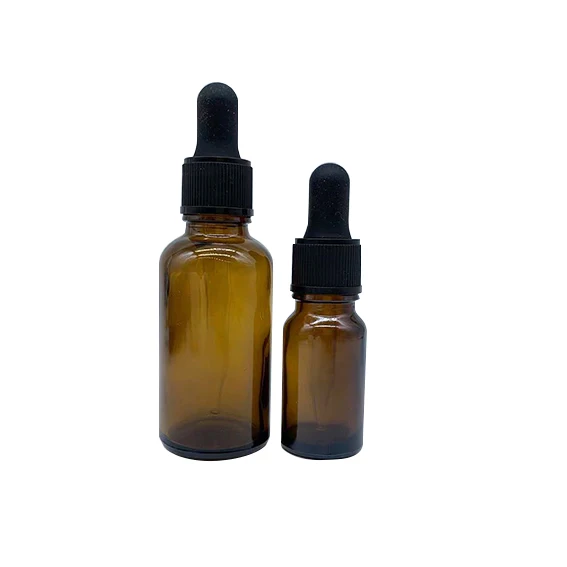
Choosing between glass and plastic dropper bottles is a significant decision for product manufacturers in industries ranging from cosmetics to pharmaceuticals. This guide aims to clarify the advantages and disadvantages of each material, addressing key concerns such as durability, cost, and suitability for various applications. By understanding these factors, purchasing managers and product developers can make informed decisions that align with their product requirements and market expectations.
A Buyer’s Guide
When selecting dropper bottle, the first step is to identify your specific needs. Consider the intended use of the product, the type of liquid being stored, and the target market. Key factors to evaluate include:
Material Compatibility: Ensure the bottle material is suitable for the contents, as certain chemicals can react negatively with plastics or even specific glass types.
Capacity and Size: Determine the volume needed for your products and check available sizes. Custom sizing may be necessary for unique applications.
Sealing Mechanism: Look for reliable sealing options to prevent leakage and contamination. The dropper and cap design plays a crucial role here.
Regulatory Compliance: Ensure the bottles meet industry standards, especially in sectors like pharmaceuticals or food and beverage.
Sustainability: Consider eco-friendly options if sustainability is a priority for your brand.
Gathering this information will facilitate a more effective discussion with suppliers, enabling them to provide tailored solutions.
Finding Reliable Suppliers for Dropper Bottles
Securing a trustworthy supplier is essential for maintaining product quality and consistency. Here are some strategies to identify reliable manufacturers:
Industry Experience: Choose suppliers with a proven track record in producing dropper bottles, particularly in your specific sector. For instance, Hangzhou Mochen Packaging Co., Ltd has over 12 years of experience in packaging solutions, showcasing expertise in producing various bottle materials.
Quality Certifications: Verify that the supplier adheres to quality management systems, such as ISO certifications, which can assure you of their manufacturing standards.
Production Capabilities: Assess the supplier's manufacturing capabilities, including their machinery, production processes, and capacity. A supplier like Hangzhou Mochen, with two factories and a range of production methods, can meet diverse needs.
Customization Options: Look for suppliers that offer customization to ensure the bottles align with your branding and functional requirements.
Customer References: Request references or case studies from previous clients to gauge the supplier's reliability and service quality.
Cost Factors to Consider When Purchasing Dropper Bottles in Bulk
Understanding the cost structure is crucial for budgeting effectively. Key cost factors include:
Material Type: Generally, glass dropper bottles tend to have a higher upfront cost compared to plastic due to material expenses and fragility. However, they may provide a premium feel and better barrier properties.
Order Quantity: Most manufacturers offer tiered pricing based on order volume. Larger orders typically yield lower per-unit costs. Be sure to clarify the minimum order quantity (MOQ) with your supplier.
Customization Needs: Custom designs, colors, or printing can significantly increase costs. Ensure to factor in these expenses when budgeting.
Shipping Costs: Consider shipping logistics, especially if importing from another country. Shipping costs can vary based on weight, volume, and destination.
Lead Time: Shorter lead times may incur additional costs, especially for rush orders. Balance the urgency of your project with your budget.
By understanding these factors, you can better negotiate with suppliers and make informed purchasing decisions.
Common Problems with Dropper Bottles and Effective Solutions
Despite their advantages, dropper bottles can present several challenges. Here are some common issues and their solutions:
Leakage: This can occur due to poor sealing or manufacturing defects. To mitigate this risk, ensure the dropper mechanism is tested for compatibility with the bottle neck and that quality control processes are in place during production.
Breakage: Glass bottles are susceptible to breakage during handling and transportation. Consider using protective packaging and selecting a thicker glass option for enhanced durability.
Chemical Compatibility: Certain liquids may react negatively with plastics, leading to contamination or degradation. Conduct compatibility tests for the intended product and select materials accordingly.
Inconsistent Dropper Performance: Variability in the dropper design can lead to inconsistent dispensing. Work closely with your supplier to ensure that the dropper design is optimized for the specific viscosity and formulation of your product.
Difficulties in Sourcing: If suppliers face delays or quality issues, it can disrupt your production schedule. Establish strong relationships with multiple suppliers to ensure a backup option is available.
Material Advantages of Glass and Plastic Bottles
The choice between glass and dropper plastic bottles often depends on the specific application and desired product attributes. Here’s a breakdown of the advantages of each material:
Glass Dropper Bottles
Chemical Resistance: Glass is generally inert, making it suitable for sensitive formulations that may react with plastics.
Enhanced Shelf Life: Glass offers superior barrier properties that can protect contents from oxygen and moisture, extending product shelf life.
Perceived Quality: Glass bottles convey a premium image, appealing to high-end markets like cosmetics and pharmaceuticals.
Plastic Dropper Bottles
Lightweight and Durable: Plastic bottles are less likely to break compared to glass, making them ideal for shipping and handling.
Cost-Effective: Typically, plastic bottles are less expensive to manufacture, which can be advantageous for budget-conscious projects.
Versatility: Available in various shapes and sizes, plastic bottles can be easily customized for branding and functionality.
By considering these material advantages, manufacturers can align their bottle choice with their product positioning and market strategy.
In summary, understanding the nuances of glass and plastic dropper bottles can significantly impact your product's success. By equipping yourself with knowledge about material properties, supplier reliability, cost considerations, and common challenges, you can make informed decisions that support your business objectives.