
 EN
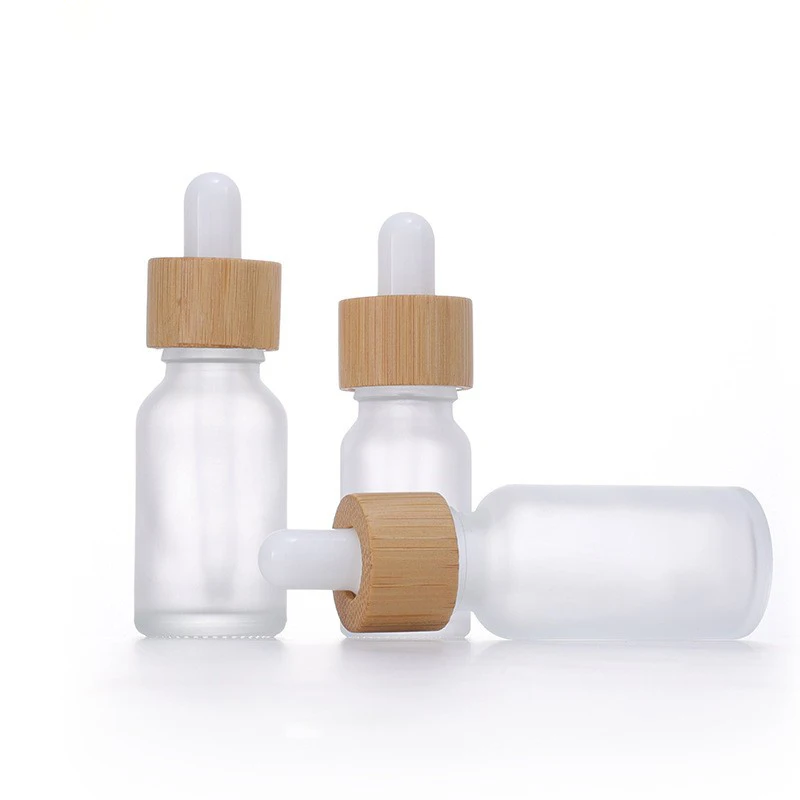
Selecting the right glass dropper for cosmetic formulations is crucial for ensuring product efficacy, user experience, and brand integrity. As a B2B buyer, you may have concerns about quality, functionality, and compatibility with your product line. This article will explore the 6 Factors to Consider When Selecting a Glass Dropper for Cosmetic Formulations, providing practical insights to assist you in making informed purchasing decisions.
Key Factors for Buyers
When evaluating glass dropper bottles for cosmetic formulations, buyers should consider several key factors that will impact their overall effectiveness and usability. First, the dropper's material must be compatible with the formulation's chemical composition to prevent reactions that could alter the product's properties. Second, the dropper design should facilitate precise dosing, ensuring that users can dispense the correct amount of product easily.
Third, buyers should assess the performance of the dropper in various environmental conditions, such as temperature fluctuations and exposure to light, which can affect material integrity over time. Also, consider the supplier's ability to deliver consistent quality, including adherence to production standards and quality control processes. Finally, the cost and minimum order quantity (MOQ) should align with your budget and production needs.
How to Evaluate the Quality of Glass Droppers for Cosmetics
Quality evaluation of glass droppers involves several critical steps. Begin by inspecting the physical attributes of the dropper, including clarity, uniformity, and absence of defects such as bubbles or cracks. These imperfections can lead to product leakage or contamination.
Next, inquire about the manufacturing process and materials used. High-quality glass droppers are typically made from borosilicate glass, which offers superior thermal resistance and chemical stability, making them ideal for cosmetics. Ask for certifications or quality assurance documents that demonstrate compliance with industry standards.
Additionally, conducting a sample test can reveal how the dropper performs under actual conditions. Fill it with your formulation and test for ease of use, drop consistency, and resistance to chemical interactions. This step is essential for confirming that the dropper meets your specific requirements before committing to a larger order.
Top Specifications to Consider in Glass Droppers for Formulations
When selecting empty glass dropper bottles, buyers should focus on several specifications that directly influence performance:
Capacity: The volume of liquid the dropper can hold should match your product's dosing requirements. Common capacities range from 1ml to 30ml.
Neck Size: The neck size must align with the opening of your packaging to ensure a secure fit and prevent leaks.
Drop Size: Different formulations may require different drop sizes for effective application. Test the dropper to ensure it dispenses the correct volume.
Closure Compatibility: Ensure that the dropper fits well with the bottle's closure, preventing contamination and maintaining product integrity.
Chemical Resistance: Verify that the glass and any accompanying materials (such as rubber stoppers) are resistant to the specific chemicals in your formulation to avoid degradation or reaction.
Design Features: Consider whether additional design features, such as graduated markings for precise dosing or a child-proof mechanism, are necessary for your product.
Understanding Material Advantages of Glass Droppers in Cosmetics
Glass droppers offer distinct advantages over other materials, particularly in cosmetic applications. Glass is inert, meaning it does not leach chemicals into the product, ensuring the purity and integrity of your formulations. This is particularly important for sensitive products, such as serums and essential oils, where contamination can significantly impact efficacy.
Additionally, glass droppers provide excellent barrier properties against moisture and oxygen, helping to maintain the stability of sensitive ingredients. This is crucial for extending shelf life and ensuring that products remain effective throughout their intended use.
Moreover, glass droppers can be produced in various designs and sizes, allowing for customization to fit specific branding needs. This aesthetic appeal can enhance the overall presentation of your product, attracting consumers and reinforcing brand identity.
Installation Guidance for Glass Droppers in Cosmetic Applications
Proper installation of glass dropper bottle is critical for ensuring their performance and longevity. When integrating droppers into your packaging, begin by ensuring a clean assembly area to prevent contamination. Follow these steps for optimal installation:
Cleanliness: Always handle droppers with clean hands or gloves to avoid introducing contaminants.
Alignment: Carefully align the dropper with the neck of the bottle to ensure a secure fit. Misalignment can lead to leaks or difficulty in dispensing.
Sealing: If the dropper includes a sealing mechanism, ensure it is engaged correctly to maintain the integrity of the product.
Testing: After installation, conduct a functionality test to ensure that the dropper dispenses correctly and that there are no leaks. This can help identify any issues before the product goes to market.
Documentation: Keep thorough documentation of the installation process, including batch numbers and any quality checks performed, to ensure traceability and accountability.
By following these guidelines, you can ensure that your glass droppers function effectively and enhance the overall user experience with your cosmetic products.