
 EN
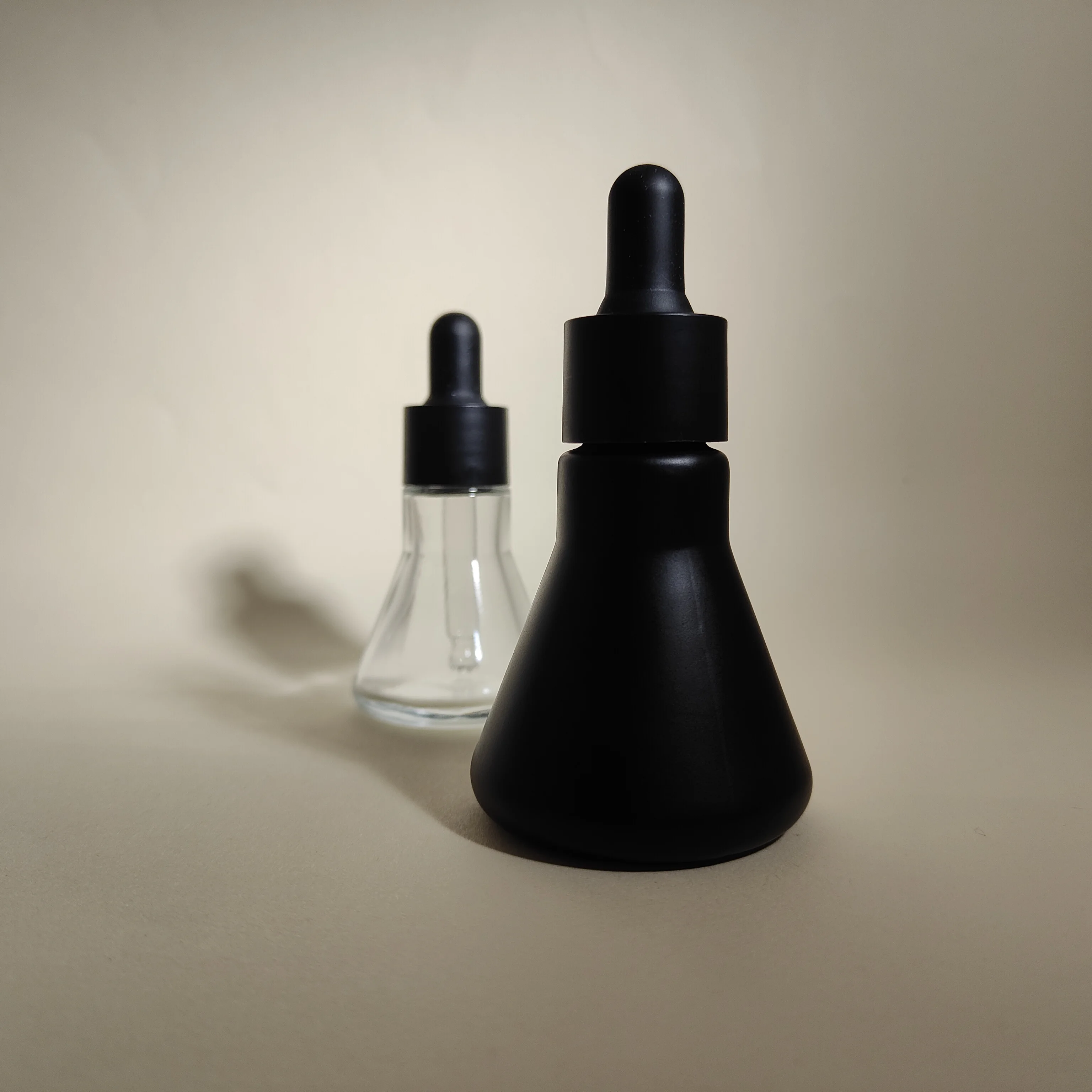
Dropper bottles have gained immense popularity in the essential oil and serum markets due to their versatility, precision, and ease of use. As a B2B buyer, understanding why dropper bottles are favored can help you make informed decisions regarding sourcing, production, and application. This article will delve into the key specifications, material choices, common issues, and installation guidance for dropper bottles, providing you with the insights necessary to optimize your purchasing strategy.
Key Specifications to Evaluate for Quality Dropper Bottles
When assessing dropper bottles, several specifications are crucial to ensure the product meets your operational needs.
Material Composition: Dropper bottle are typically made from materials such as PET, PE, and glass. The choice of material affects the bottle's durability, chemical resistance, and compatibility with various contents. For example, essential oils may require materials with lower permeability to prevent degradation.
Closure Type: The dropper's closure should provide a secure seal to prevent leaks and contamination. Consider whether a child-resistant or tamper-evident closure is necessary based on your target market.
Dropper Design: The design of the dropper itself (e. g., bulb shape, nozzle size) is essential for controlled dispensing. A well-designed dropper allows for accurate measurement, which is critical for products like serums and essential oils.
Capacity and Size: Dropper bottles come in various sizes, typically ranging from 5ml to 100ml. The appropriate capacity depends on your product formulation and target market preferences.
Surface Treatment: Some dropper bottles may undergo surface treatments to enhance aesthetics or functionality. For example, frosted finishes can improve grip and visual appeal, while UV treatment can protect sensitive contents.
Understanding these specifications allows you to evaluate potential suppliers effectively, ensuring that the dropper bottles you choose align with your product requirements and brand positioning.
Where to Source Reliable Wholesale Dropper Bottle Suppliers
Identifying reputable wholesale suppliers is vital for securing high-quality dropper bottles. Here are some strategies to effectively source suppliers:
Industry Trade Shows: Attending trade shows and industry exhibitions can connect you with manufacturers and distributors. These events provide opportunities to inspect products firsthand and establish direct relationships.
Online Marketplaces: Platforms like Alibaba, Global Sources, and ThomasNet offer vast directories of suppliers. Look for manufacturers with verified credentials, positive reviews, and relevant industry experience.
Supplier Certifications: Ensure potential suppliers possess necessary certifications, such as ISO, FDA, or GMP, as these indicate adherence to quality standards. A supplier like Hangzhou Mochen Packaging Co., Ltd, with experience in producing eco-friendly packaging solutions, can be a reliable choice.
Request Samples: Before placing a bulk order, request samples to evaluate quality, functionality, and compatibility with your product. This step is critical in confirming that the dropper bottles meet your specifications.
Customer Service: Assess the responsiveness and support provided by suppliers. A good supplier should be willing to assist with inquiries and provide adequate information about production lead times and customization options.
By employing these strategies, you can identify trustworthy suppliers who can meet your dropper bottle needs effectively.
How Material Choices Impact the Performance of Dropper Bottles
The performance of dropper bottles is heavily influenced by the materials used in their production. Here’s how different materials can impact functionality:
PET (Polyethylene Terephthalate): PET bottles are lightweight, shatter-resistant, and recyclable. They provide excellent clarity and are often used for essential oils and serums due to their chemical resistance and barrier properties.
PE (Polyethylene): Known for its flexibility and toughness, PE is another common material. It is suitable for products that require a lower barrier to oxygen but should be evaluated for compatibility with specific chemical formulations.
Glass: Glass dropper bottles offer premium aesthetics and are preferred for luxury products. They provide superior protection against oxygen and UV light, which is crucial for preserving sensitive formulations. However, they are heavier and more fragile than plastic alternatives.
PLA (Polylactic Acid): This biodegradable option is gaining traction in sustainable packaging. While it offers eco-friendly benefits, its mechanical properties and barrier performance should be assessed based on product requirements.
Customization Options: Consider the possibility of customizing materials to enhance performance. This might include adding UV protection or selecting specific coatings that improve chemical resistance.
Understanding material properties helps buyers select dropper bottles that align with their product specifications and market demands.
Common Problems with Dropper Bottles and Their Solutions
While dropper bottles are effective packaging solutions, several common issues can arise during their use:
Leakage: A frequent concern is leakage due to poor sealing or faulty caps. To prevent this, ensure that the closure design is compatible with the bottle neck and that quality control checks are performed during production.
Inconsistent Dispensing: If the dropper fails to dispense accurately, it can lead to product waste or incorrect dosing. Buyers should verify the dropper design and perform functionality tests on samples to ensure consistency.
Material Compatibility: Some formulations may react adversely with the bottle material, leading to degradation. Conduct compatibility tests with the actual product to confirm that the selected material will not negatively impact the contents.
Difficulties in Filling: If the bottle’s neck is too narrow, filling can become problematic. Consider this during the design phase and ensure that the dropper bottle allows for efficient filling processes.
Visual Defects: Quality issues such as bubbles, scratches, or inconsistencies in color can detract from product appeal. Implement regular inspections and quality assurance processes to identify these defects before shipping.
By being aware of these potential problems, buyers can take proactive steps to mitigate risks and ensure a smooth production process.
Installation Guidance for Dropper Bottles in Product Applications
Successfully integrating dropper bottles into your product line involves careful consideration of installation and application processes:
Compatibility with Filling Equipment: Ensure that the mini dropper bottles are compatible with your existing filling machinery. Some bottling lines require specific adjustments or attachments to accommodate different bottle types.
Testing for Leaks: Before full-scale production, conduct leak testing under actual operating conditions. This helps confirm that the closure and bottle design can withstand handling and transportation stresses.
Labeling and Artwork: When preparing for production, consider your labeling requirements. Ensure that the label design does not interfere with the dropper mechanism and that the printed materials comply with industry regulations.
Customer Instructions: If the product requires specific usage instructions, include clear information on the packaging. This can help reduce misuse and enhance customer satisfaction.
Inventory Management: Properly manage inventory to avoid stockouts or overproduction. Consider lead times for both production and shipping to ensure timely delivery to your customers.
Following these installation guidelines will facilitate a smoother transition to using dropper bottles, ultimately enhancing your product's market performance and customer satisfaction.
By understanding the reasons behind the popularity of dropper bottles in the essential oil and serum markets, B2B buyers can make informed decisions that align with their operational and product needs.
Table of Contents
- Key Specifications to Evaluate for Quality Dropper Bottles
- Where to Source Reliable Wholesale Dropper Bottle Suppliers
- How Material Choices Impact the Performance of Dropper Bottles
- Common Problems with Dropper Bottles and Their Solutions
- Installation Guidance for Dropper Bottles in Product Applications